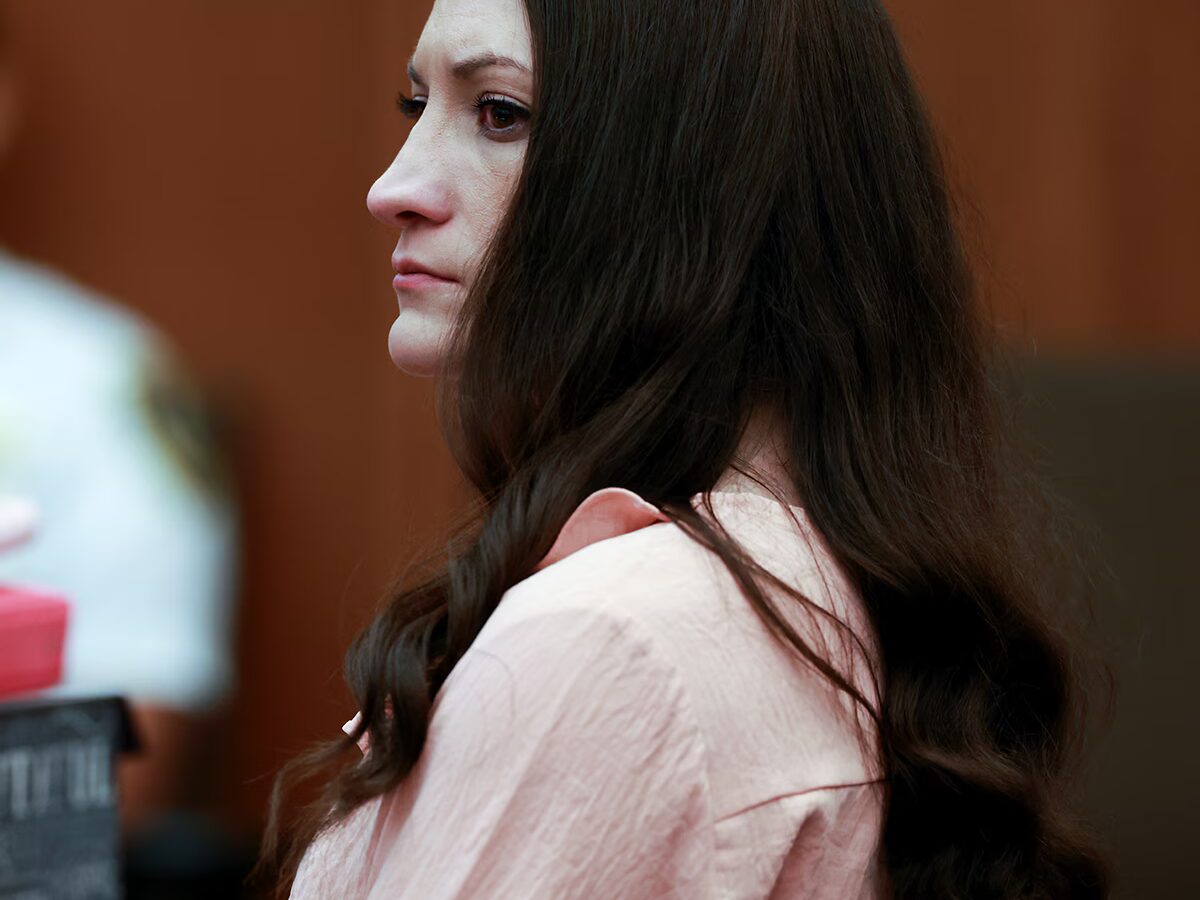
Key Highlights
- Juror Michael P. Desronvil has publicly identified himself as the sole holdout in the Lindsay Clancy murder trial deliberations.
- Desronvil was the only male juror on the panel and his stance prevented a unanimous verdict in the high-profile case.
- The juror is now sharing his perspective on the deliberation process, offering rare insight into the jury’s internal dynamics.
Holdout Juror Steps Forward in Lindsay Clancy Murder Trial
Michael P. Desronvil, the juror who prevented a unanimous verdict in the murder trial of Lindsay Clancy, has come forward to share his account of the deliberations. Desronvil identified himself as the only male juror on the panel and the lone holdout whose position resulted in a hung jury. His decision to speak publicly provides an uncommon window into the jury room dynamics of a case that has drawn intense national attention since Clancy, a Massachusetts mother, was accused of killing her three young children in January 2023.
Deliberation Dynamics and the Lone Dissent
According to Desronvil, the jury’s discussions were extensive and emotionally charged, reflecting the gravity of the charges and the complex psychiatric evidence presented during trial. As the sole male juror and the only holdout, he described facing significant pressure from fellow jurors to change his position. The deliberations reportedly centered on the interpretation of Clancy’s mental state at the time of the killings, with the defense arguing she was suffering from severe postpartum psychosis that rendered her not criminally responsible.
Psychiatric Evidence Central to Juror’s Position
Desronvil indicated that his stance was heavily influenced by the psychiatric testimony regarding postpartum psychosis, a rare but severe condition that can involve delusions, hallucinations, and a complete break from reality. The defense presented expert witnesses who testified that Clancy was experiencing an acute psychotic episode at the time of the incident, while prosecution experts contested the diagnosis and timing. The juror’s refusal to convict suggests he found the defense’s psychiatric evidence compelling enough to create reasonable doubt about Clancy’s criminal responsibility.
Why This Matters
The Lindsay Clancy case has become a focal point in the national conversation about postpartum mental health, maternal filicide, and the criminal justice system’s handling of severe perinatal psychiatric disorders. The hung jury underscores the profound difficulty juries face when adjudicating cases where the defendant’s mental state is the central issue and where medical science regarding postpartum psychosis continues to evolve. A retrial is expected, and the prosecution must now decide whether to pursue the same charges or modify their approach. Meanwhile, advocates for maternal mental health reform argue the case highlights systemic failures in screening, diagnosis, and treatment of perinatal mood and anxiety disorders that can, in extreme cases, lead to tragedy.
Frequently Asked Questions
What happens next in the Lindsay Clancy case?
With a hung jury, the prosecution must decide whether to retry Lindsay Clancy on the same charges, pursue a plea agreement, or dismiss the case. A retrial is the most likely outcome given the severity of the charges.
Why was Michael P. Desronvil the only holdout?
Desronvil has indicated his position was based on the psychiatric evidence regarding postpartum psychosis. As the sole male juror, his perspective may have differed from other jurors in evaluating the expert testimony about Clancy’s mental state.
What is postpartum psychosis and how does it relate to this case?
Postpartum psychosis is a rare but severe psychiatric emergency occurring in approximately 1-2 per 1,000 deliveries, characterized by delusions, hallucinations, and disorganized thinking. The defense argued Clancy was experiencing this condition at the time of the killings, which if accepted, could support a verdict of not guilty by reason of insanity.