
Key Highlights
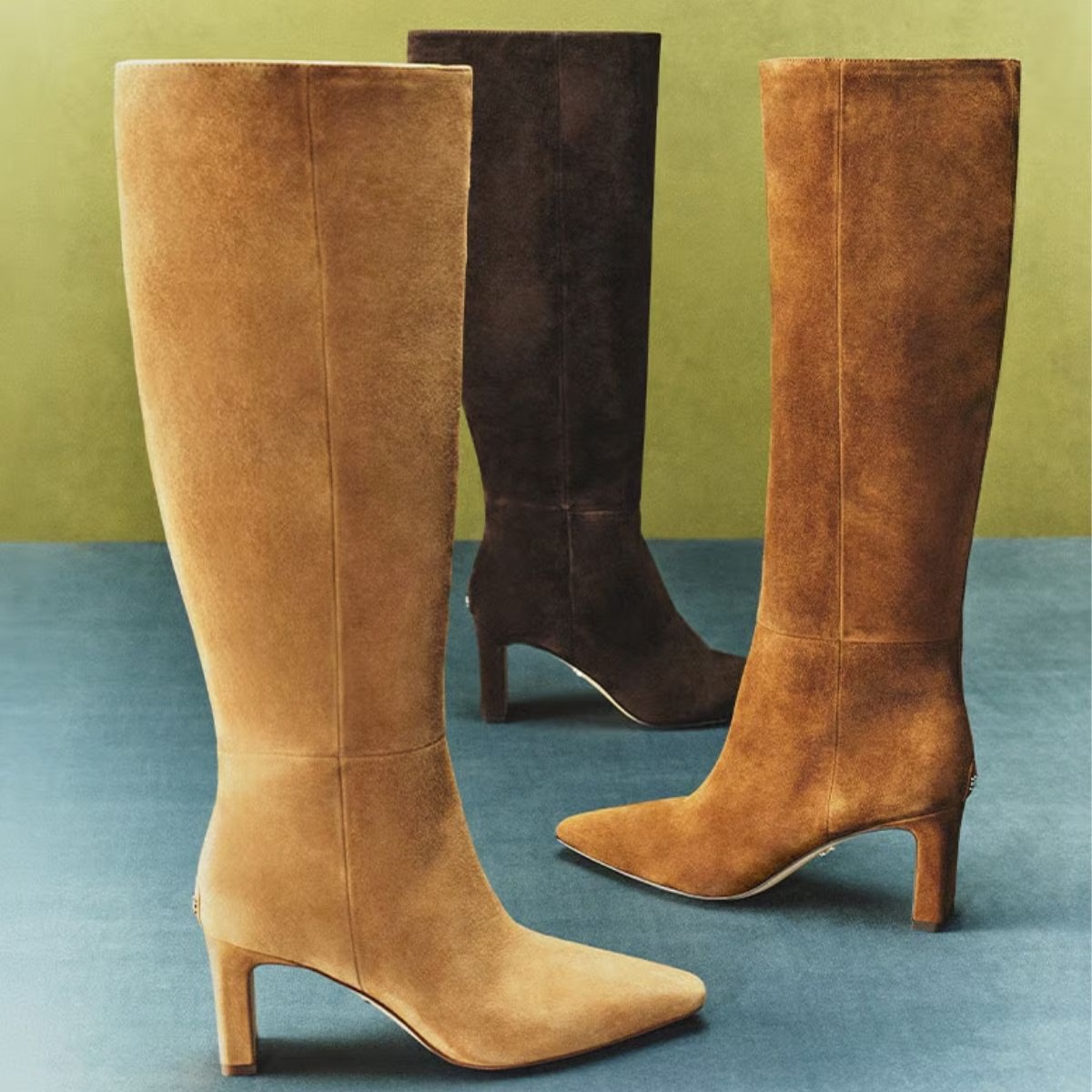
- Knee-high boots remain a foundational staple for fall wardrobes, blending sophistication with versatility.
- The silhouette instantly elevates outfits across casual and formal dress codes.
- Contrary to common assumptions, the style adapts to a wide range of aesthetics and occasions.
The Enduring Appeal of the Knee-High Boot
As temperatures drop, the knee-high boot reasserts its position as the season’s most indispensable footwear investment. The silhouette strikes a rare balance: it offers the coverage and warmth required for autumn weather while delivering a structural elegance that ankle boots or sneakers cannot replicate. Designers and stylists consistently return to this profile because it anchors a look, creating a continuous vertical line that flatters the leg and adds immediate polish to denim, tailoring, or knitwear alike.
Versatility Across Dress Codes
The perception that knee-high boots lean exclusively toward evening or dressed-up occasions overlooks their genuine range. A flat leather pair in black or neutral brown functions as a daily workhorse with straight-leg jeans and an oversized blazer, while a heeled suede version in burgundy or camel transitions seamlessly to after-hours events when paired with a midi skirt and fine-gauge turtleneck. The key variable is heel height and material finish rather than the boot shaft itself, allowing a single silhouette to span the spectrum from weekend market runs to client presentations.
Styling Strategies for Modern Proportions
Current styling approaches emphasize proportion play. Tucking slim trousers or leggings into the boot creates a streamlined, elongated effect ideal for petite frames, while letting a longer hem graze the top of the shaft introduces a relaxed, insouciant attitude. For dresses and skirts, the boot acts as a visual bridge: opaque tights in a matching tone extend the leg line, whereas bare legs or sheer hosiery introduce a deliberate contrast that feels intentionally styled. Outerwear length also matters—cropped jackets and trench coats that hit at the hip keep the boot visible, preserving its impact on the overall composition.
Why This Matters
Footwear drives the economics of the fall accessory market, and knee-high boots consistently rank among the highest sell-through categories for retailers across price tiers. Their longevity in the fashion cycle reduces the pressure for disposable trend purchases, aligning with growing consumer demand for investment pieces that transcend a single season. For brands, the category serves as a reliable anchor for seasonal collections, while for shoppers, it represents a strategic wardrobe allocation that delivers cost-per-wear value unmatched by more niche silhouettes.

Frequently Asked Questions
- What heel height is most versatile for a first pair of knee-high boots?
- A block heel between 50mm and 70mm offers the optimal balance of walkability and elevation, suiting both commuter realities and evening engagements.
- Can knee-high boots be worn with wide-leg trousers?
- Yes, provided the trouser hem is long enough to skim the floor with a slight break over the boot shaft; this maintains a clean line without bunching at the ankle.
- How should knee-high boots be stored to maintain their shape?
- Insert boot trees or rolled acid-free tissue into the shafts and store upright in a cool, dry place away from direct sunlight to prevent creasing and leather degradation.


