
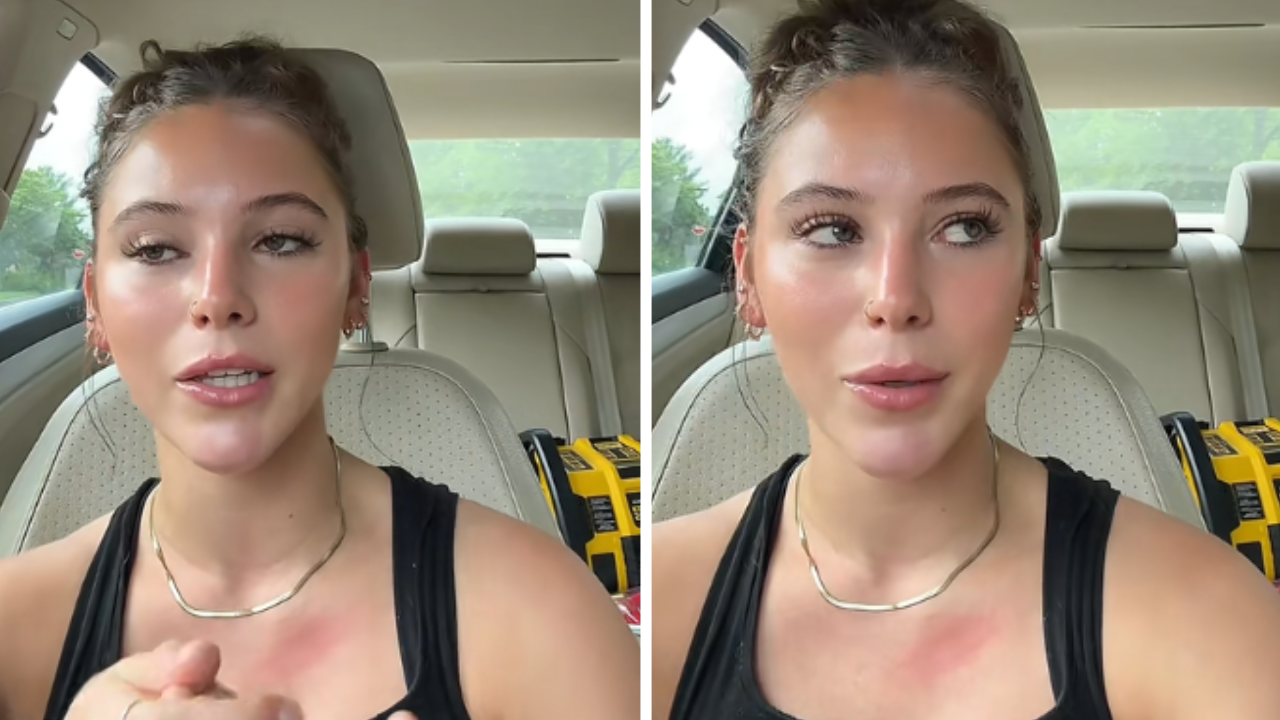
- TikTok creator Maddie Ogle (@maddieogle10) identifies behavioral red flags signaling a friendship is fading, including emotional distance, one-sided communication, and excessive phone use during in-person time.
- Her video garnered over 97,000 likes and 700 comments, with many viewers sharing parallel experiences of friendships that became transactional, superficial, or defensive when confronted.
- The discussion highlights a growing cultural conversation about applying relationship-level intentionality and accountability to platonic bonds.
TikTok Creator Maps the Quiet Erosion of Close Friendships
Maddie Ogle, known as @maddieogle10 on TikTok, has sparked a widespread dialogue about the subtle dynamics that precede a friendship breakup. In a video that accumulated 97,000 likes and 709 comments, Ogle argues that the dissolution of a platonic bond often mirrors the slow fade of a romantic relationship, complete with recognizable warning signs. “Treat your friendships like a relationship because your bf isn’t the only person that deserves respect,” she wrote in the caption, framing the issue around mutual effort and baseline consideration.
Ogle opens by emphasizing the weight she places on friendship, noting that most people in her life have remained constants for years. From that foundation, she outlines behavioral shifts that signal a friend is checking out. The first red flag is distance: a friend stops initiating contact, and when they do respond, the conversation orbits entirely around them. This one-sided dynamic, she explains, makes the relationship feel unsustainable. A second indicator is chronic phone use during shared time. Ogle cites the example of a dinner where a companion spends the majority of the meal scrolling instead of engaging, underscoring that presence matters even when the outing is not a date.
Commenters Validate and Expand on the Pattern
The comment section quickly became a repository for collective recognition. One user asked, “Literally, why does nobody take friendship seriously?” Another described a recurring discomfort: “They’re so uncomfortable with vibing in silence, no phones. It’s always complaining, comparing, or men.”

Several commenters articulated personal breaking points. A woman shared, “For me it’s realizing after several years I barely know the person. They never open up about their past, their emotions, nothing. Like it’s nice spending time with someone but after a while if the connection isn’t getting deeper I gotta go.” Another identified a transactional pattern: “Or I think for me it’s when they start to prioritize hanging with others and barely reach out to you unless you look good on IG.”
The most visceral responses centered on accountability. One commenter detailed, “The worst is when you try to bring up something that’s been bothering you in a friendship, and instead of actually listening, they flip it and start listing everything you’ve ever done wrong. Like… okay? Funny how none of that mattered until I said something. Why is it only a problem when I speak up?”
Why This Matters
The resonance of Ogle’s video reflects a broader shift in how digital-native generations conceptualize platonic intimacy. As traditional community structures loosen, friendships increasingly shoulder emotional labor once distributed across family, religious, or neighborhood networks. The comments reveal an implicit expectation that friends should offer the same communicative transparency, reciprocity, and conflict-repair mechanisms typically reserved for romantic partners. Mental-health professionals have noted a parallel rise in “friendship therapy” and discourse around “friendship breakups” as legitimate grief events. For brands, platforms, and creators, the conversation signals demand for content that normalizes boundary-setting and emotional literacy in non-romantic relationships.
Frequently Asked Questions
What specific behaviors did Maddie Ogle identify as signs a friendship is ending?
Ogle highlighted three primary indicators: a friend becoming emotionally distant and stopping initiation, conversations turning consistently one-sided, and the friend remaining on their phone during in-person hangouts instead of engaging.
How did viewers respond to the video?
The video received over 97,000 likes and 709 comments. Many commenters shared personal stories confirming Ogle’s observations, describing friendships that felt transactional, lacked depth, or became defensive when concerns were raised.
Has The Daily Dot verified the experiences shared by Ogle and the commenters?
No. The Daily Dot stated it was unable to independently verify the experiences described by @maddieogle10; the article is based on her TikTok account and the reactions of commenters.


