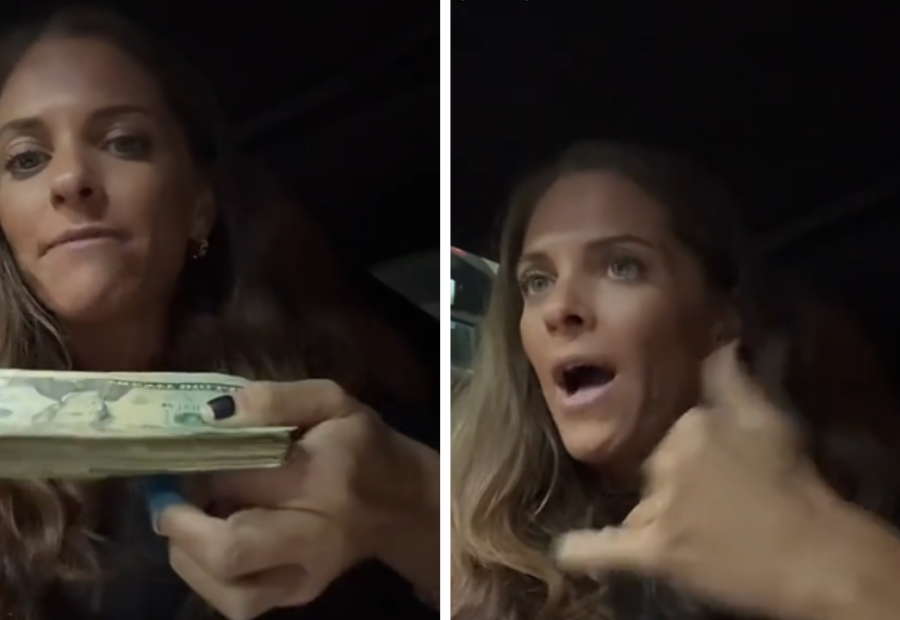
A TikTok video from bartender Dana May, known as @ayedanamay, has reignited the debate over tipping culture in the United States. The clip, which had garnered 24,900 likes and 1,125 comments at the time of reporting, captures May explaining why she believes tipping remains essential — both for service workers and for consumers’ wallets.
The Economics Behind a $5 Hourly Wage
May earns a base pay of just $5 per hour at her bartending job. Like many tipped employees, she relies on customer gratuities to make a living wage. She argues that without tips, restaurants would be forced to raise menu prices significantly to cover higher labor costs, ultimately passing the expense to diners anyway.
“In a perfect world, the restaurant would pay her a living wage,” the video narrative explains, “she believes that isn’t realistic.” May contends that eliminating tipping would not lower costs for customers; instead, it would shift the burden directly onto the bill.
Anticipating Backlash
May acknowledged she expected criticism for her stance. She emphasized that her low base wage is not her fault and that tips allow her to support herself. She also noted that bartending can be financially rewarding when tipping culture functions as intended. However, she warned that a widespread rejection of tipping could fundamentally alter the restaurant industry’s economy, affecting both workers and patrons.
TikTok Commenters Split on Tipping Obligations
The comments section reflected deep division. Some users outright rejected the expectation to tip.
“I never tip, it’s not required,”
one commenter wrote. Another challenged:
“Show me that tipping is mandatory.”
May replied directly, calling the opinion “brave” to share publicly.
Others pointed out that food prices are rising regardless of tipping practices, suggesting higher bills are inevitable. Fellow service workers weighed in with support for May’s perspective.
“As a bartender, if we were paid a “livable wage” and tipping wasn’t a thing anymore, I would not be in the industry anymore. You think I’m getting paid ~$15/hr to be HARASSED by MEN??,”
one commenter stated, highlighting the non-monetary challenges of the job that tips help offset.
Broader Implications for the Service Industry
The discourse underscores a national tension: how much responsibility should fall on customers to compensate service staff? While May and other industry workers view tips as a critical component of their income — and a mechanism that keeps base menu prices lower — a growing segment of diners questions the fairness of a system that shifts wage obligations onto patrons.
The Daily Dot was unable to independently verify the details described in the TikTok video. The information above is based solely on Dana May’s account of her experience and views on tipping culture.