Key Highlights
- New guidance published outlining critical steps for drivers involved in car accidents in Dallas, Texas
- Resource emphasizes Dallas-specific legal requirements, insurance protocols, and local law enforcement procedures
- Guide aims to reduce post-accident confusion and protect legal rights for motorists in the Dallas-Fort Worth metroplex
Comprehensive Guide Released for Dallas Car Accident Procedures
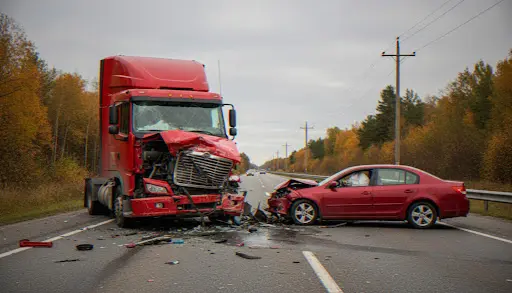
A new instructional resource titled “This is what you should do if you are in a car accident in Dallas, Texas” has been published, providing motorists with a structured framework for navigating the aftermath of a vehicle collision in the city. The guide addresses the unique traffic laws, reporting thresholds, and insurance regulations that apply specifically within Dallas County and the broader North Texas region. With Dallas consistently ranking among the top U.S. metropolitan areas for traffic volume and accident frequency, the publication arrives as a timely tool for both residents and visitors navigating the city’s complex highway network, including I-35E, I-30, US-75, and the LBJ Freeway.
Dallas-Specific Legal and Procedural Focus
The guidance distinguishes itself by tailoring standard accident response protocols to Dallas municipal code and Texas Transportation Code requirements. Key differentiators include the Texas crash report filing threshold—currently set at $1,000 in property damage or any injury—the role of the Dallas Police Department’s accident investigation unit, and the modified comparative fault rule that governs insurance claims in the state. The resource also outlines interactions with the Texas Department of Insurance and the importance of preserving evidence under Texas spoliation laws. By anchoring advice in these jurisdictional specifics, the guide moves beyond generic national checklists to address the exact legal landscape Dallas drivers face.
Why This Matters
Dallas records over 30,000 reportable crashes annually, according to TxDOT data, with intersections along Central Expressway, Stemmons Freeway, and Woodall Rodgers among the highest-risk corridors. In this environment, procedural errors—such as failing to move vehicles from travel lanes when safe, neglecting to exchange mandated information, or delaying medical documentation—can compromise both safety and legal standing. The guide’s release reflects growing recognition that localized knowledge gaps contribute to prolonged claims disputes, increased litigation, and preventable secondary accidents. For the region’s 7.5 million residents and extensive commuter population, standardized, Dallas-calibrated guidance represents a practical public safety intervention with measurable downstream effects on emergency response efficiency and insurance system integrity.
Frequently Asked Questions
- What immediate actions does the Dallas car accident guide recommend?
- The guide structures response priorities around safety, legal compliance, and evidence preservation specific to Dallas jurisdictions, though exact step-by-step details are contained in the full published resource.
- Where can Dallas drivers access this accident procedure guide?
- The resource is published under the title “This is what you should do if you are in a car accident in Dallas, Texas” and is available through the distributing platform’s standard channels.
- How does this guidance differ from general Texas accident advice?
- It incorporates Dallas Police Department protocols, municipal traffic ordinances, county-level court precedents, and region-specific risk factors not addressed in statewide summaries.