Key Highlights
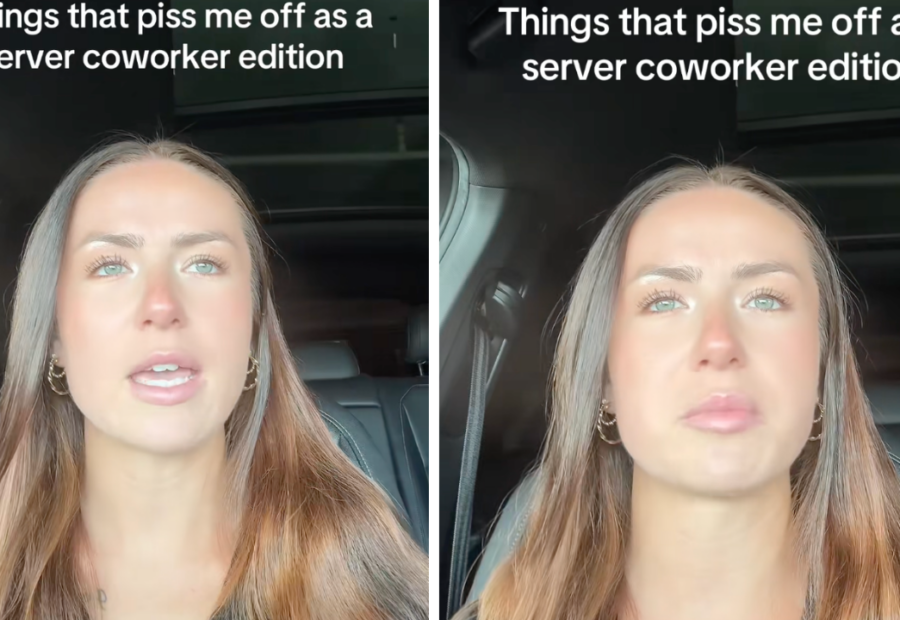
- A mattress store employee, who was 37 weeks pregnant, was asked by a male customer to assist with lifting a heavy mattress.
- The worker expressed disbelief at the expectation given her advanced pregnancy.
- The incident highlights ongoing concerns about workplace safety and customer awareness regarding pregnant employees.
Incident at Mattress Store Raises Questions About Customer Expectations
A routine shopping trip at a mattress store took an unexpected turn when a male customer requested that a visibly pregnant employee help him lift a heavy mattress. The worker, who was 37 weeks into her pregnancy, reported that she could not believe the man expected her to perform such a physically demanding task given her condition. The encounter underscores a recurring tension in retail environments where physical labor requirements sometimes clash with the health realities of expectant staff members.
Employee’s Reaction and Workplace Policy Implications
According to the account, the employee was stunned by the request. At 37 weeks pregnant, medical guidelines typically advise against heavy lifting to mitigate risks such as preterm labor, placental abruption, or musculoskeletal injury. While many retailers have policies that restrict pregnant employees from heavy lifting and require accommodations, the burden often falls on the worker to communicate limitations or on management to enforce safety protocols proactively. This incident suggests that customer assumptions about service expectations can override visible cues, placing employees in uncomfortable and potentially hazardous positions.
Broader Concerns for Retail Worker Safety
The situation reflects a broader issue within the retail sector: the reliance on frontline staff to manage physically taxing inventory without adequate support systems. Mattresses are notably heavy and awkward to maneuver, often requiring team lifts or mechanical aids. When a pregnant worker is the only available staff member, or when a customer directly demands assistance, the safety infrastructure fails. Advocates for workplace rights argue that stores must implement clear, visible policies—such as signage indicating weight limits for employee assistance or designated “team lift only” protocols—to protect vulnerable workers from external pressure.
Why This Matters
This incident resonates beyond a single store interaction. It touches on legal frameworks like the Pregnant Workers Fairness Act (PWFA) in the United States, which mandates reasonable accommodations for pregnancy-related limitations, including lifting restrictions. It also highlights the need for consumer education; customers may not realize that asking a pregnant employee to lift heavy items is not just inconsiderate but potentially illegal if the employer fails to intervene. As the retail workforce diversifies, businesses must ensure that safety protocols are not only written but actively enforced and communicated to the public to prevent such confrontations.
Frequently Asked Questions
What exactly happened at the mattress store?
A male customer asked a store employee who was 37 weeks pregnant to help him lift a heavy mattress. The worker was shocked by the request given her advanced pregnancy.
Why is this incident significant?
It highlights the gap between workplace safety policies for pregnant employees and real-world customer expectations. It raises concerns about retail workers’ vulnerability to physical strain and the need for better enforcement of accommodations.
What protections exist for pregnant workers in similar situations?
In the U.S., the Pregnant Workers Fairness Act requires employers to provide reasonable accommodations, such as lifting restrictions, unless it causes undue hardship. Many states have additional laws. Employers are responsible for ensuring these protections are upheld, even when pressure comes from customers.