
Key Highlights
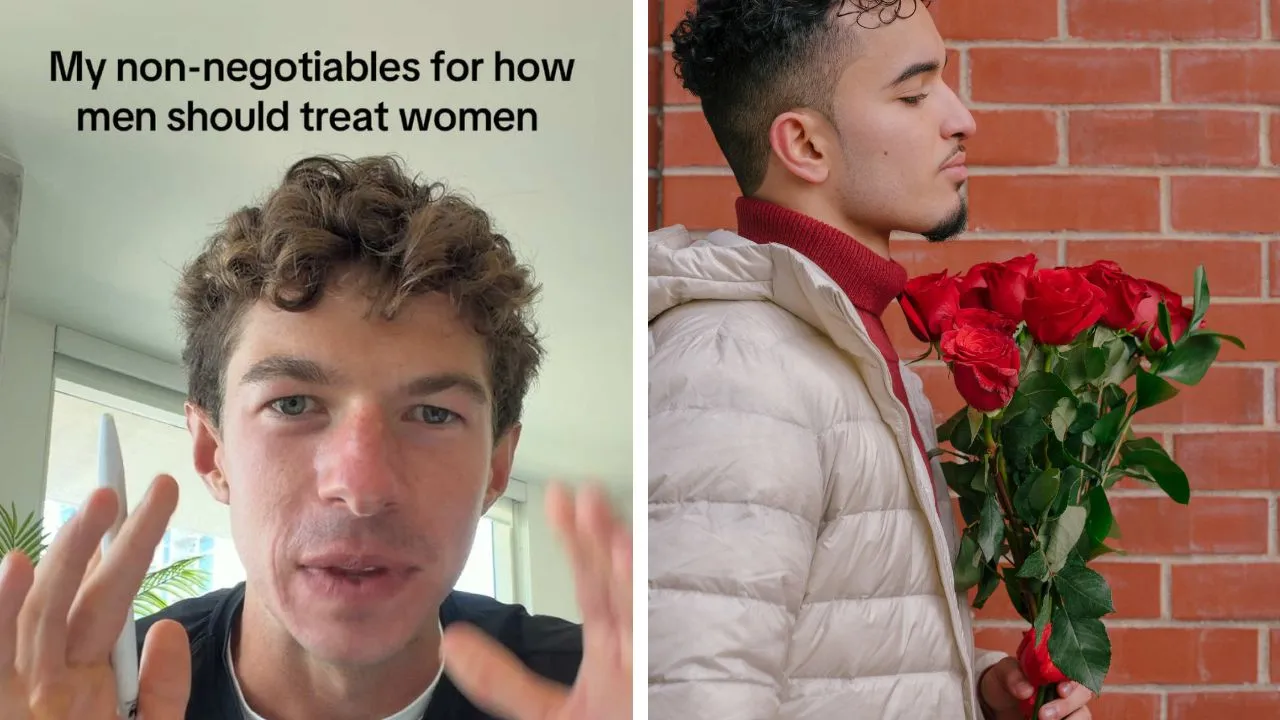
- TikTok creator Chase Ridgeway (@chaseridgewayy) posted a video on August 5 outlining eight “non-negotiables” for how men should treat women, garnering approximately 179,800 likes and over 2,600 comments.
- The rules cover traditional gestures like holding doors, walking street-side, paying for the first meal, and planning dates, alongside emotional expectations such as valuing a woman’s problems equally and being warm to her friends and family.
- The comment section revealed sharp divisions, particularly over the expectation that men always pay for the first date and the concept of men “leading” in relationships, with some viewers calling the list “antiquated and conservative-coded” while others praised it as a “masterclass.”
TikTok Creator’s Eight Dating Rules Spark Viral Debate
On August 5, TikTok creator Chase Ridgeway, known as @chaseridgewayy, published a video enumerating eight “non-negotiables” regarding how men should treat women in dating contexts. Despite stating he had been single for three years, Ridgeway presented the list as a standard he believes men should meet. As of publication, the clip had accumulated roughly 179,800 likes and more than 2,600 comments, triggering a wide-ranging conversation about modern dating expectations, gender roles, and reciprocity.
The Eight Rules: Gestures, Planning, and Emotional Weight
Ridgeway’s guidelines blend conventional chivalry with emotional attentiveness. His first rule instructs men to hold doors open—whether apartment or car doors. The second advises that when walking with a woman, the man should position himself between her and the street. The third calls for men to be warm toward a woman’s friends and family, “greeting them with the same enthusiasm as he would the woman.”
The fourth rule drew immediate contention: men should always pay for the first meal, “even if the woman offered to split the cost or pay entirely.” The fifth rule shifts to emotional labor, stating that when a woman shares her problems, the man “should treat those as just as important as his.” The sixth recommends offering to carry a woman’s bag or anything she might be holding, “even if she declined.” The seventh is practical: always bring a jacket in case the woman gets cold. The final rule addresses agency in planning: men should make plans rather than constantly asking their partners where they would like to go or what they would like to do. Ridgeway called this “taking the lead, though he admitted that a woman might prefer not to be led.”
Comment Section Divides Over Payment and “Leading”
The response was far from monolithic. Many commenters embraced the list enthusiastically. One urged Ridgeway to give a “masterclass” to all men, while another joked that women should watch the video at full volume next to their situationship. Multiple users specifically praised the emphasis on planning dates and treating a woman’s social circle well.

However, criticism emerged sharply. One commenter characterized the list as “antiquated and conservative-coded,” while another argued that some of the behaviors are simply platonic acts of kindness, not gendered obligations. The idea that men should always pay for the first meal generated a “vastly different set of responses.” Some agreed, but others countered that paying for dinner should not mean the person who paid is entitled to anything else.
The concept of “leading” a woman also prompted nuanced pushback. A commentator noted that women might want to be led, but only in “respectful ways” that are compatible with feminism. Another maintained that men and women should be treated equally no matter what. Several users expanded on Ridgeway’s framework, adding that relationship expectations should involve sharing the mental load, doing domestic work, looking after children, and supporting a partner’s personal interests—emphasizing that these responsibilities are gender neutral.
Why This Matters
The viral traction of Ridgeway’s video underscores an ongoing cultural negotiation around dating scripts in the era of dating apps and shifting gender norms. While “chivalry” gestures like holding doors or walking street-side have historical roots in gendered protection rituals, their modern interpretation is contested: some view them as baseline respect, others as benevolent sexism. The debate over who pays for the first date remains a flashpoint because it intersects with income disparities, autonomy, and differing views on whether financial gesture signals investment or obligation. Meanwhile, the discussion around “leading” versus collaboration reflects broader questions about decision-making equity in relationships. The commenters who broadened the list to include mental load and domestic labor highlight a growing expectation that partnership standards extend beyond performative gestures into structural equality. As dating discourse migrates to short-form video platforms, these conversations become public, searchable, and algorithmically amplified—shaping norms in real time.
Frequently Asked Questions
Who is Chase Ridgeway and when was the video posted?
Chase Ridgeway is a TikTok creator who posts under the handle @chaseridgewayy. He published the video outlining his eight dating “non-negotiables” on August 5.
What were the most controversial rules in the list?
The requirement that men always pay for the first meal—even if the woman offers to split or pay—and the expectation that men “take the lead” by planning all dates generated the most divided reactions in the comments.
Did commenters suggest additions to Ridgeway’s list?
Yes. Several commenters argued that relationship expectations should also include sharing the mental load, dividing domestic work and childcare, and supporting a partner’s personal interests, noting these responsibilities should be gender neutral.


