Key Highlights
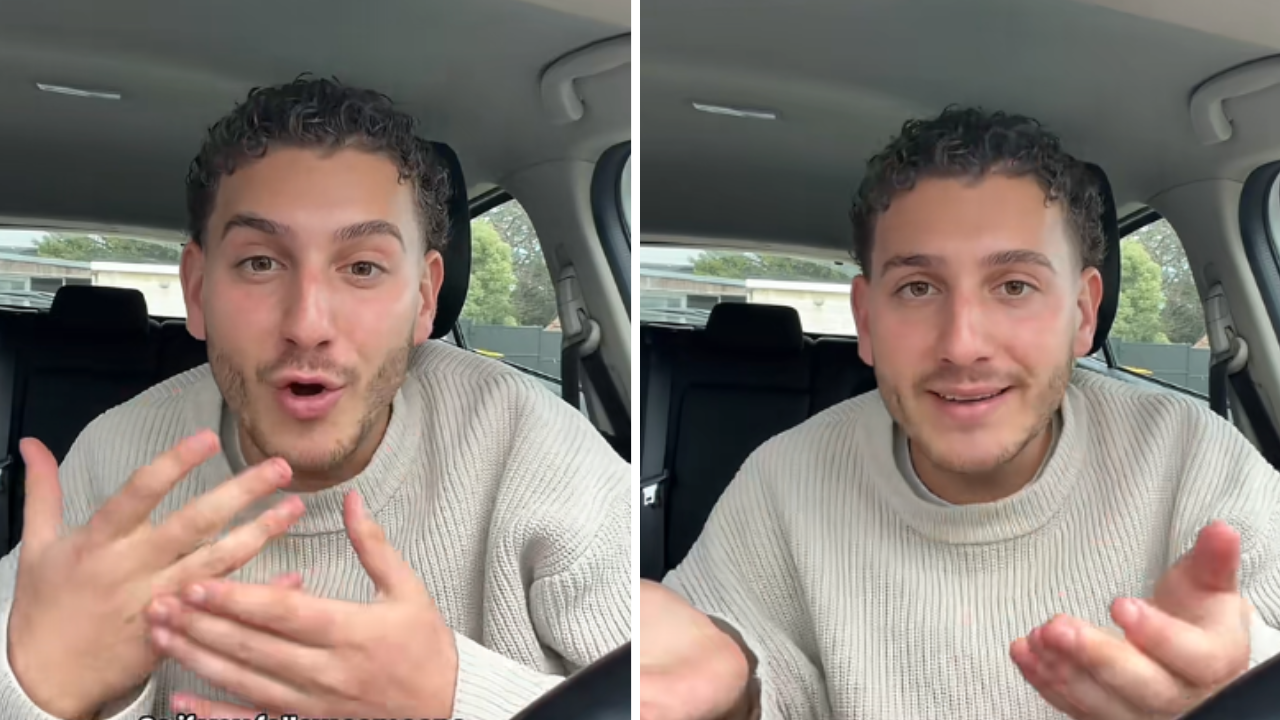
- TikTok creator Anthony (@undiagnosedanthony) argues that following, liking, or commenting on attractive strangers’ social media profiles constitutes cheating, sparking viral debate.
- Commenters are sharply divided, with some praising his strict boundaries while others label the views as insecurity and an erosion of the term “cheating.”
- The discourse highlights shifting relationship norms around digital privacy, phone access, and social media boundaries in modern partnerships.
TikTok Creator Redefines Infidelity in Viral Video
A TikTok video posted by Anthony, known on the platform as @undiagnosedanthony, has ignited a fierce debate over the definition of cheating in the digital age. The video, which has garnered thousands of likes and 874 comments, outlines a strict framework for fidelity that classifies common social media behaviors—such as following attractive strangers, engaging with their content, and guarding one’s phone—as acts of unfaithfulness. Originally reported by The Daily Dot, the clip has become a flashpoint for conflicting philosophies on trust, privacy, and relationship boundaries.
Anthony’s Argument: Digital Engagement as Betrayal
In the video, Anthony establishes a baseline that following someone a person could be attracted to, despite having no personal connection, qualifies as cheating. He challenges the viewer’s intent, questioning what interest could exist beyond physical appearance. This logic extends to liking and commenting on that person’s posts, which he frames as active indicators of attraction rather than passive scrolling.
Perhaps the most contentious point involves device privacy. Anthony posits that refusing to let a partner look through one’s phone is a potential sign of infidelity rather than a legitimate assertion of personal privacy. By equating opacity with guilt, the argument removes the nuance of individual autonomy, suggesting that transparency is the sole metric of loyalty.
Comment Section Splits on ‘Insecurity’ vs. ‘Standards’
The response in the comments section reveals a polarized audience. Supporters validated Anthony’s rigidity. One user wrote, “You’re strict, I like it,” while another agreed regarding visual boundaries, stating, “Lingering eyes drive me insane.” A third commenter offered a behavioral litmus test: “If you’re doing something that you wouldn’t do right in front of your partner, that’s considered cheating imo.” Another praised the approach as therapeutic, commenting, “You could be a couples therapist.”
Personal anecdotes reinforced this view. One user shared a painful history, writing, “My ex husband’s insta feed was nothing but women. But his excuse was always ‘I went to school with them’ or ‘I was in AIT with them,'” illustrating how the behaviors Anthony describes can manifest in real-world betrayal.
Critics Argue Definition Waters Down Cheating
However, a significant portion of the commentary pushed back hard, characterizing the rules as controlling and rooted in insecurity. A lengthy, highly engaged rebuttal read: “This doesn’t scream, cheating, this screams insecurity to me. I would never tell someone who they could, and could not follow. Just like I would never allow someone to tell me who I could, and could not follow. My husband has access to my phone, but he has no reason to ever go in it. If he doesn’t trust me to have social media or a phone, we shouldn’t be together at all.”
Others dismissed the premise entirely. “None of these are cheating …” one commenter asserted. The semantic dilution of the term “cheating” was a recurring theme. One user asked, “So people can’t just think someone else is good looking anymore? So many healthy couples will point out good-looking men and women because some people are just naturally very beautiful,” while another questioned the utility of the label: “I mean each relationship will have its own unique boundaries, but do some of the things you are listing not water down what ‘cheating’ is? Like, you are going to label your partner a cheater if they follow someone on TikTok?”
Why This Matters: Digital Boundaries in Modern Relationships
The viral nature of this debate underscores a fundamental tension in contemporary romance: the lack of universal norms for digital conduct. Unlike physical infidelity, which has relatively clear boundaries, “micro-cheating” behaviors—following, liking, direct messaging—exist in a gray zone defined entirely by individual couple agreements. The discourse exposes a generational and philosophical divide between relational security models (where transparency and restriction prove commitment) and autonomy models (where trust is demonstrated precisely by granting freedom). As social media becomes the primary arena for social validation and connection, these conflicts are likely to remain central to relationship counseling and cultural conversation.
Frequently Asked Questions
- Who is Anthony (@undiagnosedanthony)?
- Anthony is a TikTok content creator who posted a viral video outlining his strict definitions of cheating, focusing on social media behaviors like following attractive strangers and phone privacy.
- What specific behaviors does he classify as cheating?
- He identifies three main categories: following someone you don’t know but are attracted to; liking or commenting on that person’s posts; and hiding your phone or refusing to let a partner look through it.
- Is there a consensus on whether these behaviors count as cheating?
- No. The comments on the video and subsequent coverage reveal a deep split. Some viewers agree these are boundary violations, while a large contingent argues they reflect insecurity and incorrectly expand the definition of infidelity.