Key Highlights
- Solcoa Chief of Staff brings extensive background scaling physical operations across electric vehicles and logistics networks
- Career trajectory focuses on complex industrial supply chain challenges in Western markets
- Appointment signals strategic emphasis on operational execution for difficult manufacturing problems
Operational Leadership Background
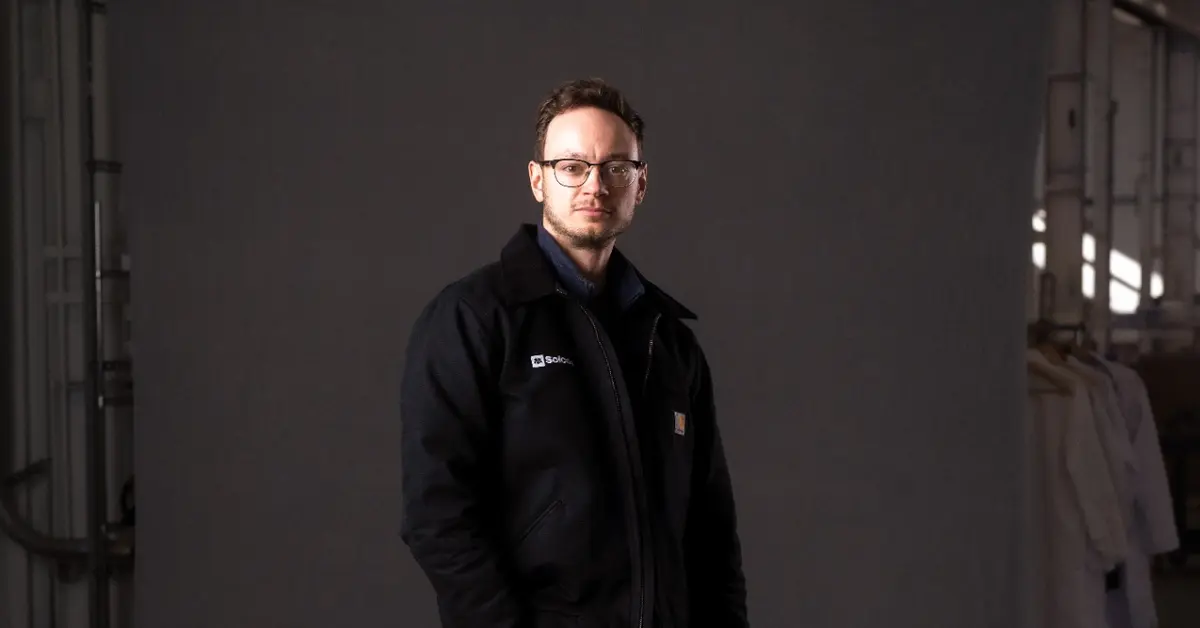
The Solcoa Chief of Staff has built his career around scaling physical operations, from electric vehicles and logistics networks to one of the West’s most difficult industrial supply chain problems. This professional trajectory places the executive at the intersection of advanced manufacturing, clean energy infrastructure, and complex logistics management—sectors where operational precision directly determines commercial viability.
Cross-Sector Experience in Physical Operations
The described career path spans multiple high-stakes domains where physical scaling presents unique technical and organizational hurdles. Electric vehicle production requires orchestrating battery supply chains, precision assembly lines, and quality systems at automotive volumes. Logistics network expansion demands real-time coordination of warehousing, transportation, and last-mile delivery across distributed geographies. Both domains share a common requirement: translating digital planning into reliable physical throughput under variable conditions.
Addressing Western Industrial Supply Chain Constraints
The reference to “one of the West’s most difficult industrial supply chain problems” suggests engagement with a structural challenge affecting domestic manufacturing capacity. Western economies have faced persistent bottlenecks in critical material processing, specialized component fabrication, and skilled labor availability for advanced production. These constraints have been documented across semiconductor packaging, rare earth refining, and heavy industrial equipment manufacturing—sectors where rebuilding domestic capability requires solving interlocking technical, regulatory, and workforce problems simultaneously.
Why This Matters
The appointment of a Chief of Staff with this specific operational pedigree indicates Solcoa is prioritizing execution capability at the highest organizational level. In industrial technology companies, the gap between prototype validation and volume production often determines market success or failure. Leaders who have navigated the “valley of death” between demonstration-scale and commercial-scale physical operations bring pattern recognition for the failure modes that emerge only at scale—supplier qualification cascades, yield cliff effects, and logistics network fragility under demand volatility. This expertise becomes particularly valuable when addressing supply chain problems characterized by long lead times, high capital intensity, and limited supplier redundancy, which are hallmarks of the Western industrial base reconstruction currently underway across multiple strategic sectors.
Frequently Asked Questions
What specific role does a Chief of Staff play in scaling industrial operations?
A Chief of Staff in an industrial scaling context typically serves as the CEO’s force multiplier for cross-functional execution—coordinating engineering, supply chain, quality, and field operations to resolve bottlenecks that span departmental boundaries. This role differs from traditional COO functions by focusing on strategic initiative execution rather than day-to-day management, particularly during inflection points like factory ramp-up or market expansion.
Why are Western industrial supply chains considered difficult to scale?
Western supply chains face compounded challenges including atrophied supplier ecosystems for specialized components, regulatory complexity across environmental and labor domains, higher capital costs for greenfield facilities, and workforce gaps in skilled trades required for advanced manufacturing. These factors create longer cycle times and higher risk profiles compared to established manufacturing hubs in Asia.
How does electric vehicle and logistics experience transfer to broader industrial problems?
Both EV production and logistics networks require managing high-mix, high-volume physical flows with stringent quality and timing requirements. This builds capability in supplier development, statistical process control, real-time visibility systems, and contingency planning—competencies that transfer directly to any complex manufacturing ramp where physical yield and throughput determine unit economics.