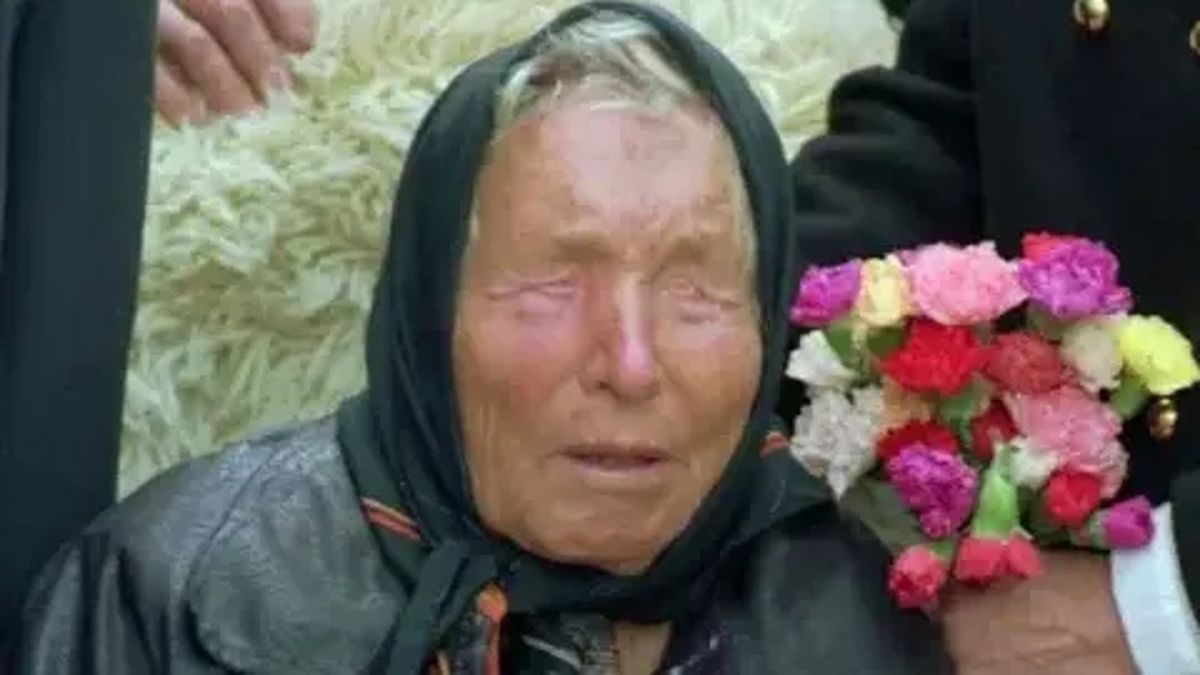
The Bulgarian mystic Baba Vanga, who died in 1996, continues to draw global attention as several of her alleged predictions for 2026 appear to align with recent catastrophic events. While skeptics attribute the matches to vague language and hindsight bias, believers point to natural disasters and technological shifts as validation of her foresight.
Natural Disasters Cited as Accurate Forecasts
Vanga reportedly predicted that 2026 would bring significant natural disasters. Two major earthquakes struck Venezuela on June 24, measuring 7.2 and 7.5 magnitude. The combined toll exceeded 6,000 deaths, with over 61,000 people requiring hospital treatment. The World Bank estimates total damages could reach $20 billion.
Earlier in the year, Chile faced devastating wildfires in the Biobío and Ñuble regions. The fires killed 21 people and forced tens of thousands to evacuate.
Vanga also warned of droughts and extreme heat. With climate change intensifying weather patterns globally, her followers argue these conditions have materialized as predicted. Critics note she did not specify exact locations or dates, making the forecast difficult to disprove.
Artificial Intelligence and the “Too Far” Threshold
Another widely circulated prediction claims Vanga foresaw the rise of artificial intelligence and warned that 2026 would be the year humanity realized it had gone ‘too far’ with AI development. She died years before modern AI existed, which proponents cite as evidence of her prophetic ability.
Alien Contact Predicted by November
Among her more extraordinary claims for 2026, Vanga allegedly predicted the arrival of an alien spacecraft and humanity’s first contact with extraterrestrial life no later than November. This prediction remains unverified and is viewed with high skepticism by the scientific community.

World War Three Claims and Historical Context
Both Vanga and Nostradamus have been linked to predictions of a global conflict in 2026. Vanga reportedly implied there would be ‘global wars’ this year. Current geopolitical tensions—including Russia’s ongoing invasion of Ukraine and the conflict involving the U.S., Israel, and Iran—are often retroactively fitted to these prophecies.
However, a specific quote attributed to Vanga predicted World War Three would begin in 2025:
“In the spring, a war in the East will begin and there will be a third World War. A war in the East that will destroy the West.”
That forecast did not materialize, illustrating the risk of interpreting ambiguous historical statements as precise predictions.
Assessing the Legacy
As 2026 progresses, the debate over Baba Vanga’s accuracy continues. While some events align broadly with her alleged forecasts, the lack of specificity and the tendency to interpret past predictions through the lens of present events remain central criticisms. For now, the world watches to see if the remaining predictions—alien contact, AI reckoning, and global war—unfold as claimed.