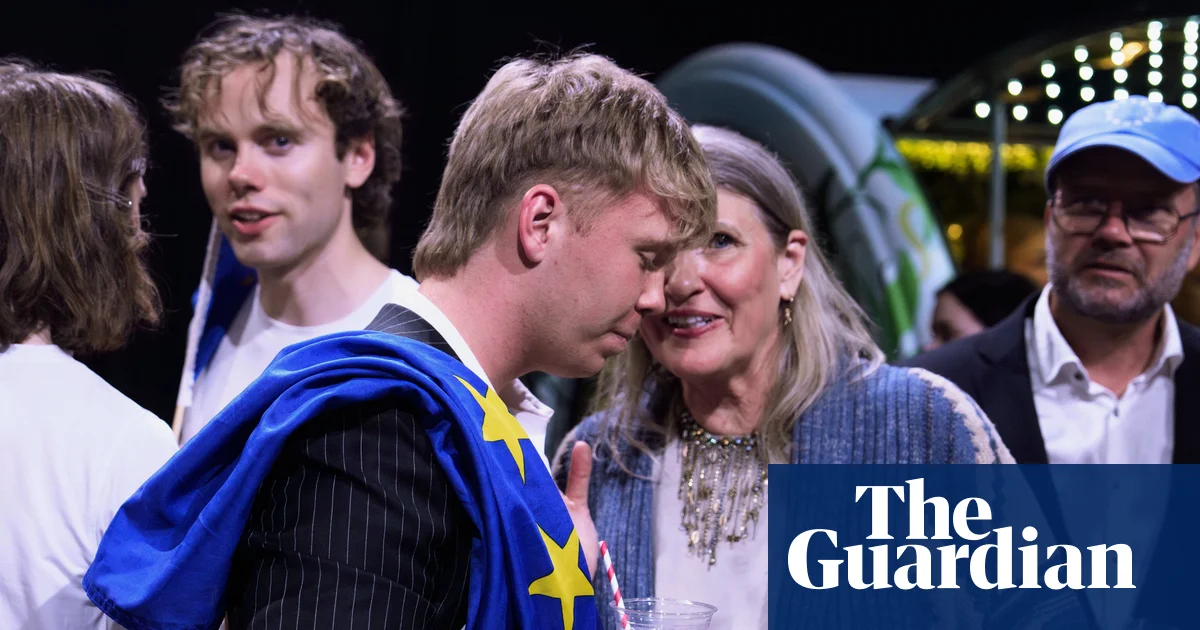
Iceland appears to have rejected the government’s proposal to reopen accession talks with the European Union, according to public broadcaster RUV, with only a small number of votes left to count.
The “no” camp held 52.5% of the vote, compared with 47.5% for the “yes” camp. Only a few ballots remained to be counted in one of Iceland’s six voting districts, which was already leaning against the proposal, according to RUV’s online results on Sunday.
“The nation rejects accession negotiations with the EU,” RUV wrote.
Referendum result deals blow to EU hopes
Unless there is a major last-minute turnaround, the result represents a setback for Brussels, which had hoped to welcome a wealthy new member and appeared prepared to compromise with Iceland over difficult issues to support its accession.
The government in Reykjavík had presented the membership proposal as a “now or never” moment. Prime Minister Kristrún Frostadóttir told voters in August that rejecting the talks would end speculation about EU membership.
Supporters of joining the bloc argued that EU membership could help lower Iceland’s high interest rates and provide greater security amid international instability caused by the war in Ukraine and US President Donald Trump’s comments about annexing Greenland, another Arctic island.
Opponents said EU membership would threaten Iceland’s sovereignty and control over its fishing waters.
Iceland’s long-running EU debate
The referendum campaign has reignited debate over Iceland’s position in the world. Kristrún Frostadóttir spoke to reporters after casting her ballot in the capital on Saturday.
“This is a great day. We’ve been waiting for this for years to be able to have a vote,” she said, adding that her government would continue its work regardless of the result.
Iceland first applied to join the EU in 2009, after a financial crisis hit the country’s small and exposed economy. A Eurosceptic government ended the accession talks in 2013.
Geopolitical turmoil, including war in the Middle East and US import tariffs, has added urgency to an issue Icelanders have debated intermittently for decades.