By Nate Raymond and Richard Cowan
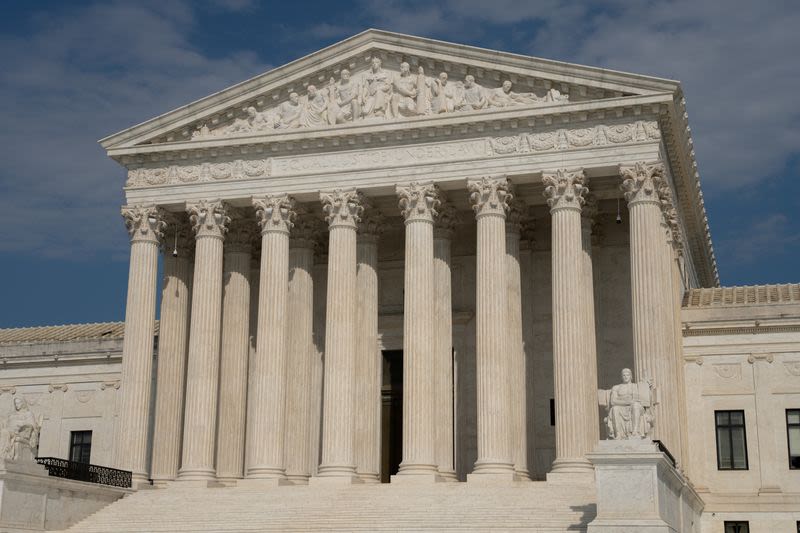
WASHINGTON, Sept 2 (Reuters) — Democrats in the U.S. House of Representatives defeated a constitutional amendment on Wednesday that would have permanently capped the Supreme Court at nine justices. Republicans had proposed the measure to turn the court’s conservative majority into a campaign issue ahead of the November 3 elections.
House Republicans staged the vote to highlight the possibility that Democrats, angered by rulings on abortion and voting rights, could expand the Supreme Court and weaken its conservative majority if they regain control of Congress in November’s midterm elections.
The measure failed 212-206, well short of the two-thirds majority required to pass in the House.
Republicans control 218 House seats, compared with 214 held by Democrats. Even if the measure had passed, it would have faced long odds in the U.S. Senate and then needed ratification by 38 of the 50 states.
When Republicans and Democrats hold majority control of the House, they have historically staged votes on bills they know will fail. Such measures are known as “messaging bills” and can be used to shore up support with voters during election campaigns while forcing political opponents to take positions on contentious issues.
Republican Speaker Mike Johnson’s decision to schedule the vote with few legislative days remaining before the November 3 elections underscored Republican concerns that Trump’s low approval ratings could cost the party its House or Senate majority.
“One of their objectives, among all the crazy things, is they want to pack the U.S. Supreme Court,” Johnson told reporters on Tuesday ahead of the vote in reference to Democrats. “We’re going to make sure that doesn’t happen.”
House Republicans who supported the proposed amendment said it was needed to stop Democratic proposals to change the court’s size after Republican President Donald Trump appointed three justices, giving the Supreme Court a conservative 6-3 majority.
“Surprise, surprise America. It’s another partisan power grab by MAGA, our colleagues who fear for the results in the November election as their policies have brought us nothing but war, inflation, corruption, lawlessness and a $40 trillion debt,” Democratic Representative Jamie Raskin of Maryland said in a speech opposing the measure.
The number of Supreme Court justices remains an open question
The U.S. Constitution does not specify how many justices should serve on the Supreme Court. The size of the court has fluctuated throughout U.S. history, with Congress reducing it to as few as five justices and expanding it to as many as 10. The Supreme Court has had nine justices since 1869.
A 1937 effort by Democratic President Franklin D. Roosevelt to add up to six justices was widely criticized as an attempt to “pack” the court after the justices struck down parts of his New Deal agenda. Lawmakers decisively rejected the proposal.
“That was the birth perhaps of the attempt to have an imperial executive,” Republican Representative Andy Biggs of Arizona argued during House debate. “It wasn’t about building a better courthouse … it was about changing the composition of the court for ideological purposes.”
Since 2021, the Supreme Court has overturned the nationwide right to abortion, expanded gun rights, curtailed the power of federal agencies and allowed the Republican president to carry out much of his second-term agenda.
Democrats have since proposed legislation that would expand the number of justices on the court to 13, an option they say Congress must retain under Trump.