Key Highlights
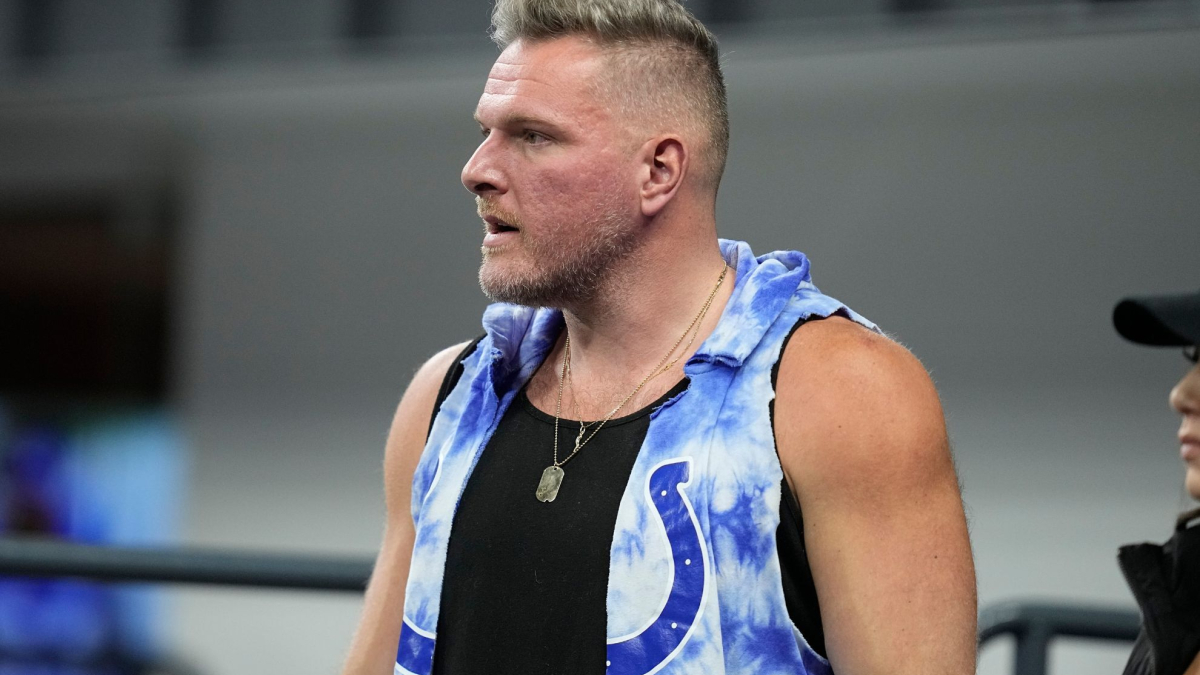
- Pat McAfee and Mary Kate Cornett were photographed speaking on the sideline at Vaught-Hemingway Stadium before the Ole Miss vs. LSU game, more than a year after McAfee’s show amplified a false sexual rumor about her.
- McAfee previously apologized directly to Cornett and her family after acknowledging his program “had no personal knowledge” about her and played a role in the “anguish caused to a great family.”
- The encounter marks a notable public interaction between the two parties following a controversy that included threats of legal action, AI-generated harassment material, and significant personal impact on Cornett’s daily life.
Sideline Encounter Revives Year-Old Controversy
ESPN personality Pat McAfee and Mary Kate Cornett were captured in conversation on the sidelines of Vaught-Hemingway Stadium Saturday, a moment that immediately drew attention given the fraught history between the media figure and the former University of Mississippi student. McAfee was in Oxford for College GameDay coverage ahead of the Ole Miss versus LSU matchup, while Cornett attended the game with friends. Video footage and a fan-posted photograph showed the two standing in proximity and speaking casually before kickoff, an image that carries significant weight considering the events of the past year.
False Rumor Sparked National Attention and Personal Crisis
The controversy originated when an anonymous online rumor falsely alleged that Cornett, then an Ole Miss student, had been involved in a sexual relationship with her boyfriend’s father. The unsubstantiated claim spread rapidly across social media platforms before being amplified by prominent sports media personalities, including McAfee on his show. Cornett and her family strongly criticized McAfee for discussing the rumor on-air without contacting them or verifying its veracity.
Cornett described the fallout in stark personal terms during the height of the controversy. “They don’t think it matters, because they don’t know who I am and they think that I deserve it,” she said. “But I don’t. You’re ruining my life by talking about it on your show for nothing but attention.” She further detailed the toll on her daily existence: “But here I am staying up until 5 in the morning, every night, throwing up, not eating because I’m so anxious about what’s going to happen for the rest of my life.” Her family also reported that manipulated photographs and AI-generated material were circulated alongside the false allegation, compounding the harassment.
Apology, Resolution, and a Public Reunion
Months after the initial broadcast, McAfee met privately with Cornett and her family and issued a direct public apology. “I have since learned that the story was not true, and that my show played a role in the anguish caused to a great family and especially to a young woman, Mary Kate Cornett,” McAfee said. He also admitted that his program “had no personal knowledge about Mary Kate or her personal life.” Cornett’s attorney subsequently confirmed the dispute had been resolved satisfactorily following the apology and private meeting.
Saturday’s sideline interaction represents the first known public encounter between the two since the resolution. What might have been a routine celebrity sighting at a major college football event instead served as a visible punctuation mark on a episode that once placed McAfee and Cornett on opposite sides of a potential legal dispute, now speaking at the same stadium where the fallout became a major national story.
Why This Matters
This encounter underscores the enduring real-world consequences of viral misinformation amplified by major media platforms. The Cornett case became a flashpoint in discussions about journalistic responsibility in the era of social media-driven news cycles, where unverified claims can reach millions before fact-checking occurs. The resolution—marked by a direct apology, private accountability, and now a public interaction—offers a rare case study in how media figures can address harm after the fact. For the sports media industry, it highlights the risks of repeating internet rumors without independent verification, particularly when they target private individuals rather than public figures. The presence of AI-generated harassment material in this case also foreshadows escalating challenges for content moderation and personal safety online.
Frequently Asked Questions
What was the false rumor that Pat McAfee discussed on his show?
An anonymous online rumor falsely alleged that Mary Kate Cornett, then an Ole Miss student, had been involved in a sexual relationship with her boyfriend’s father. McAfee amplified this unverified claim on his program.
Did Pat McAfee apologize to Mary Kate Cornett?
Yes. Months after the controversy, McAfee met privately with Cornett and her family and issued a public apology stating he learned the story was not true and that his show “played a role in the anguish caused to a great family and especially to a young woman, Mary Kate Cornett.”
Was legal action threatened or taken?
Cornett’s family criticized McAfee strongly and the situation became the subject of threatened legal action. However, Cornett’s attorney later confirmed the dispute with McAfee had been resolved satisfactorily after his apology and meeting with the family.