Key Highlights
- Burgundy emerges as a defining color trend for 2026 across beauty and fashion categories.
- The rich hue has transitioned from seasonal makeup staple to year-round wardrobe essential.
- Industry signals indicate burgundy’s continued dominance in upcoming collections and product launches.
Burgundy Takes Center Stage as 2026’s Defining Color Trend
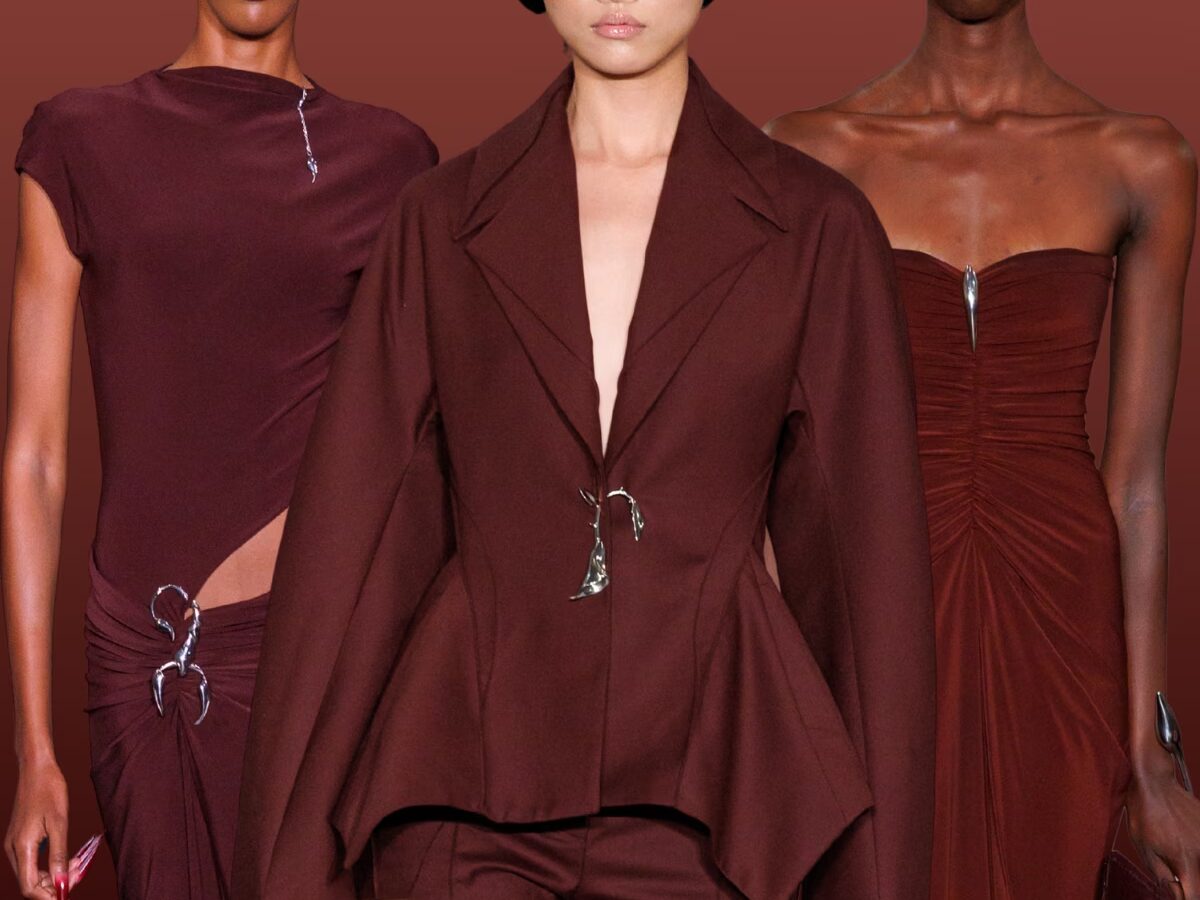
As the final trend forecasts for 2026 crystallize, one shade is commanding attention across both beauty and fashion landscapes: rich, saturated burgundy. The deep red-wine hue has moved decisively beyond its traditional autumn associations, establishing itself as a perennial staple in makeup routines before making a pronounced crossover into sartorial collections. Trend analysts and industry insiders note that burgundy’s trajectory reflects a broader shift toward versatile, seasonless color palettes that offer depth without the severity of black or the neutrality of brown.
From Makeup Bags to Runway Collections
The color’s migration follows a familiar but accelerated pattern. Burgundy first entrenched itself in cosmetics—lipsticks, eyeshadows, blushes, and nail lacquers—where its flattering undertones complement a wide range of skin tones. That foothold in daily beauty rituals created consumer familiarity and demand, paving the way for apparel and accessory designers to integrate the shade into core collections rather than limiting it to seasonal drops. Retail buyers report that burgundy pieces—outerwear, knitwear, leather goods, and footwear—are receiving prominent floor placement typically reserved for neutral foundations like navy, charcoal, and camel.
Why This Matters
The elevation of burgundy to a year-round neutral signals a maturation in how the fashion and beauty industries approach color forecasting. Rather than chasing fleeting micro-trends, brands are investing in hues with proven cross-category staying power. For consumers, this means greater wardrobe cohesion: a burgundy coat purchased in January can harmonize with a burgundy lip stain bought in July. For retailers, it reduces markdown risk on inventory that might otherwise feel dated after a single season. The trend also reflects ongoing consumer preference for “rich” aesthetics—colors that convey sophistication and intentionality without requiring high-maintenance styling.
Frequently Asked Questions
Is burgundy replacing traditional neutrals like black, navy, and brown?
Not replacing, but joining them. Industry data shows burgundy is being merchandised alongside—not instead of—core neutrals. It functions as a “colored neutral” that adds depth while remaining versatile enough for daily wear across seasons.
Which burgundy shades are most prominent for 2026?
Forecasts highlight deeper, cooler-toned variants—think oxblood, wine, and maroon—over brighter cranberry or red-violet tones. These richer versions translate more seamlessly between beauty and apparel applications.
How can consumers incorporate the trend without a full wardrobe overhaul?
Entry points include accessories (leather bags, boots, belts), single statement pieces (a coat or sweater), and beauty products. Because the shade reads as sophisticated rather than trendy, even small additions current collections without appearing temporary.