
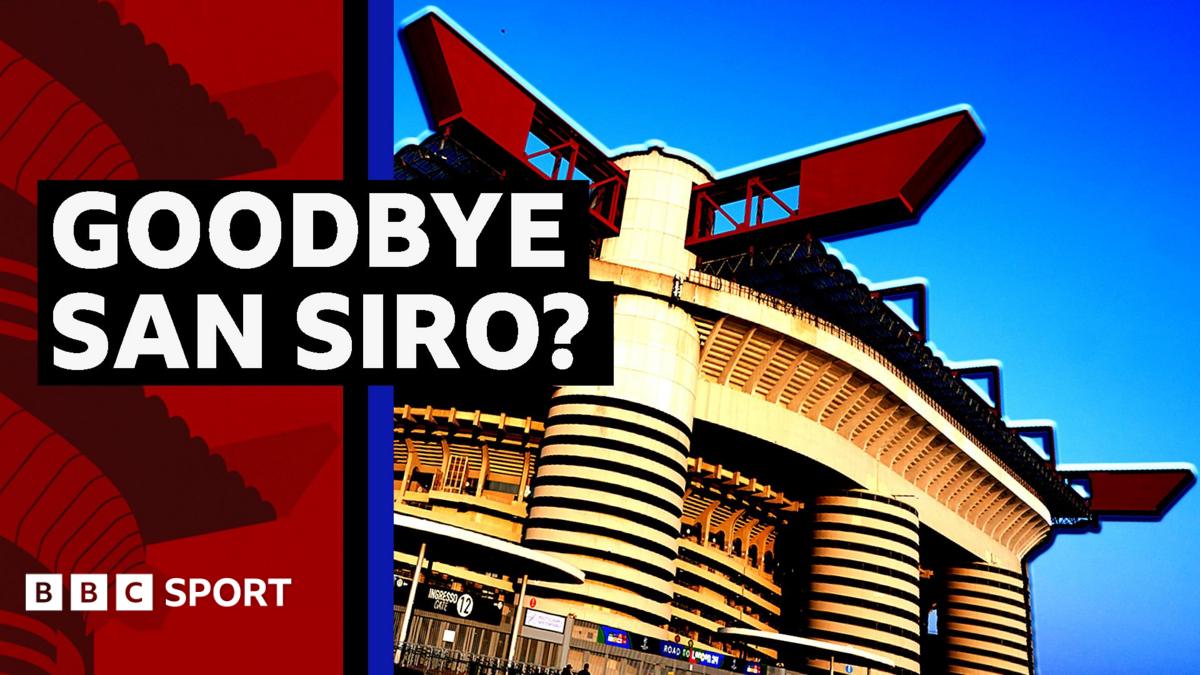
Key Highlights
- San Siro stadium, the historic home of AC Milan and Inter Milan, celebrates its 100th anniversary in 2026.
- The venue hosted the opening ceremony of the 2026 Milan-Cortina Winter Olympics, which may be its final major global event.
- Demolition of the iconic stadium has been confirmed as both clubs pursue separate new stadium projects.
A Century of Football History at San Siro
The Stadio Giuseppe Meazza, universally known as San Siro, marked its centenary in 2026, standing as one of world football’s most recognizable cathedrals. Since its inauguration on September 3, 1926, the stadium has witnessed the triumphs and tragedies of two of Italy’s most decorated clubs, AC Milan and Inter Milan. With a combined 19 Serie A titles, 10 European Cups/Champions League trophies, and countless Derby della Madonnina classics, the ground has been the stage for generations of footballing legends, from Gianni Rivera and Giuseppe Meazza himself to Paolo Maldini, Javier Zanetti, and Zlatan Ibrahimović.
Winter Olympics 2026: A Grand Finale on the World Stage
The stadium’s 100th year coincided with a rare honor: hosting the opening ceremony of the Milan-Cortina 2026 Winter Olympics. The event transformed the familiar pitch into a ceremonial platform watched by a global television audience of billions. For a venue steeped in club football tradition, the Olympics provided a unique crossover moment, showcasing San Siro’s architectural grandeur and cultural resonance beyond the domestic league calendar. However, the ceremony also carried a poignant undertone, as organizers and city officials acknowledged this could represent the last major international spectacle held within its concrete bowls before the wrecking ball arrives.
The Demolition Decision and Diverging Futures
Despite its protected status discussions and UNESCO World Heritage nomination attempts, the demolition of San Siro has been confirmed. Both AC Milan and Inter Milan have determined that the 80,018-capacity structure, last renovated for the 1990 FIFA World Cup, no longer meets modern revenue-generating requirements for corporate hospitality, premium seating, and commercial facilities. Inter Milan is advancing plans for a new 60,000-seat stadium in the Rozzano municipality, south of Milan, while AC Milan is pursuing a separate 70,000-seat venue in San Donato Milanese. The divergence ends nearly 80 years of shared tenancy, a rarity in European football that contributed significantly to the derby’s unique atmosphere.
Why This Matters
The impending loss of San Siro represents more than a stadium replacement; it signals the end of an era where historic venues were adapted rather than abandoned. The joint tenancy model fostered a distinctive derby culture, with away fans allocated entire tiers, creating a visceral atmosphere that modern, club-owned stadiums often struggle to replicate. For Milan, the decision reflects broader tensions in Italian football between preserving heritage and chasing the commercial revenues necessary to compete with Premier League rivals. The 2026 Winter Olympics opening ceremony served as a final global showcase for a ground that defined Italian football’s golden age, even as the city prepares to fracture its most famous sporting address into two separate futures.
Frequently Asked Questions
- When exactly was San Siro inaugurated?
- San Siro was officially opened on September 3, 1926, with a friendly match between Inter Milan and AC Milan, which Inter won 6–3.
- Why are AC Milan and Inter Milan building separate stadiums instead of renovating San Siro?
- Both clubs concluded that the existing structure cannot be economically renovated to meet modern UEFA and FIFA standards for premium hospitality, corporate boxes, and revenue-generating facilities required to remain competitive at the highest European level.
- What happens to the San Siro site after demolition?
- The Milan city council has indicated the area will be redeveloped into a mixed-use urban district featuring residential, commercial, and green spaces, though final masterplans remain subject to approval.