Key Highlights
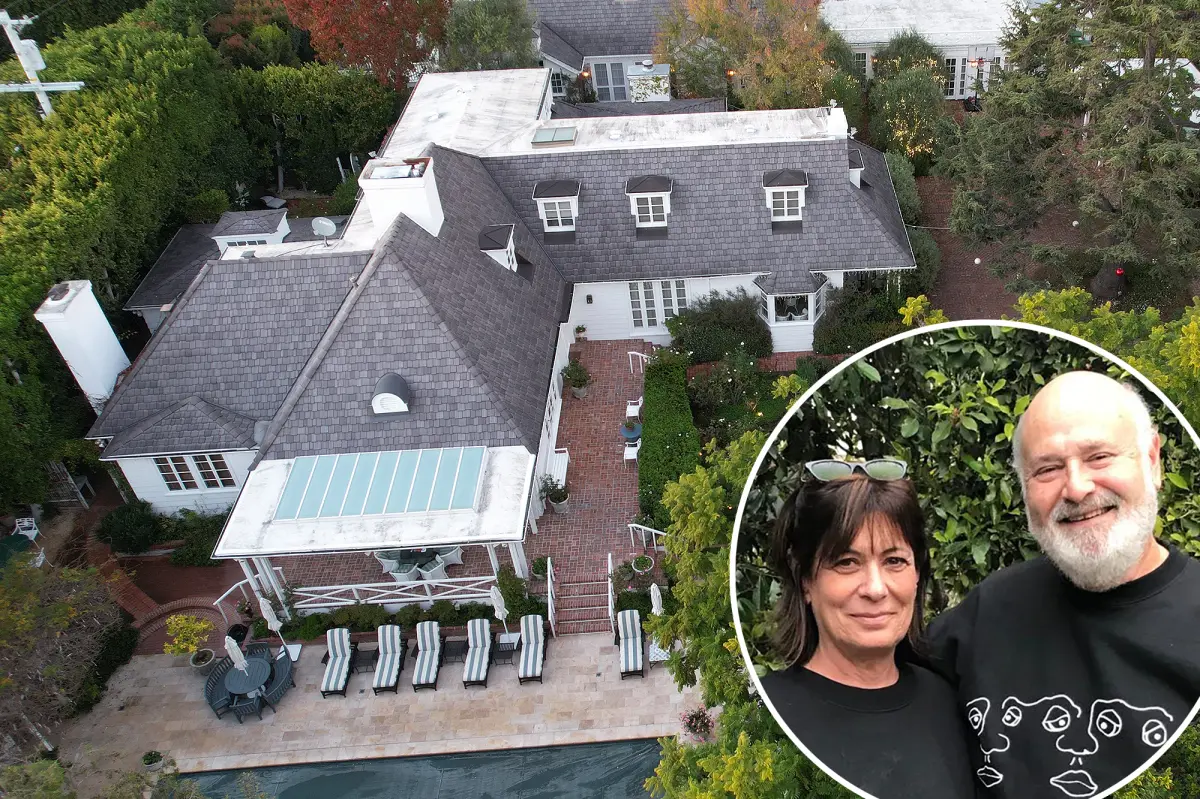
- The tragic deaths of a Hollywood couple trigger mandatory disclosure requirements for any potential property buyer.
- Real estate laws in many jurisdictions, including California, require sellers to disclose material facts affecting property value, including deaths on the premises.
- Failure to disclose such information can lead to legal liability and rescission of the sale.
Disclosure Obligations for Stigmatized Properties
The revelation that the Hollywood couple’s tragic deaths would have to be disclosed to a potential buyer underscores a critical aspect of real estate law concerning stigmatized properties. When a death occurs within a home—especially one involving notable public figures—the event becomes a material fact that can significantly influence a buyer’s decision and the property’s market value. Real estate professionals and legal experts emphasize that transparency is not merely ethical; it is a statutory obligation in numerous states.
Legal Framework Governing Death Disclosures
In California, where much of the Hollywood residential market operates, the Civil Code mandates that sellers disclose any death on the property within the previous three years. Beyond that window, while the statutory requirement may lapse, case law and common practice often encourage voluntary disclosure to avoid future litigation. The rule applies regardless of the cause of death—natural causes, accident, or homicide—and extends to high-profile cases where media attention amplifies the property’s notoriety. Real estate agents representing such listings must navigate these disclosures carefully, ensuring compliance with both the letter and spirit of the law.
Impact on Real Estate Transactions
The requirement to disclose the couple’s deaths introduces complexity into the sales process. Potential buyers may perceive the property as psychologically impacted, leading to reduced offers or extended time on the market. Conversely, some buyers may be unaffected or even drawn to the property’s history. Sellers and their agents must prepare for a range of reactions, armed with full documentation and legal counsel to mitigate risk. The disclosure also affects title insurance and inspection contingencies, as buyers seek assurances that no hidden liabilities remain.
Why This Matters
This situation highlights the broader tension between property rights and consumer protection in real estate. Stigmatized property laws vary widely across the United States, creating a patchwork of obligations that can confuse sellers and buyers alike. High-profile cases involving celebrities bring these statutes into public focus, prompting legislative review and industry debate about the appropriate scope of disclosure. As the market for luxury homes in Hollywood continues to evolve, clarity on these requirements remains essential for maintaining trust and legal compliance in high-value transactions.
Frequently Asked Questions
- Must a seller disclose a death that occurred more than three years ago in California?
- California law explicitly requires disclosure of deaths within the last three years. For deaths outside that period, there is no statutory mandate, but sellers often disclose voluntarily to avoid legal disputes.
- Can a buyer back out of a contract after learning about a death on the property?
- If the death was not disclosed as required, the buyer may have grounds for rescission or damages. If properly disclosed, the buyer’s ability to withdraw depends on the contract’s contingency clauses.
- Does the fame of the deceased affect disclosure requirements?
- The legal obligation to disclose is based on the fact of death, not the celebrity status of the individuals. However, heightened public awareness may increase the practical necessity of full transparency.