Key Highlights
- Fan characters Wawario and Wawaluigi serve as rivals to Nintendo’s Wario and Waluigi, creating a meta-rivalry chain extending from Mario and Luigi
- Wawario originated in a June 2015 YouTube animation with a popular redesign emerging in September 2021, while Wawaluigi’s definitive design debuted on DeviantArt in May 2017
- Both characters experienced a major viral resurgence across X and TikTok during late August through September 2026, generating widespread memes and fan art
The Meta-Rivalry: How Fan Creations Extended the Mario Universe’s Antagonist Lineage
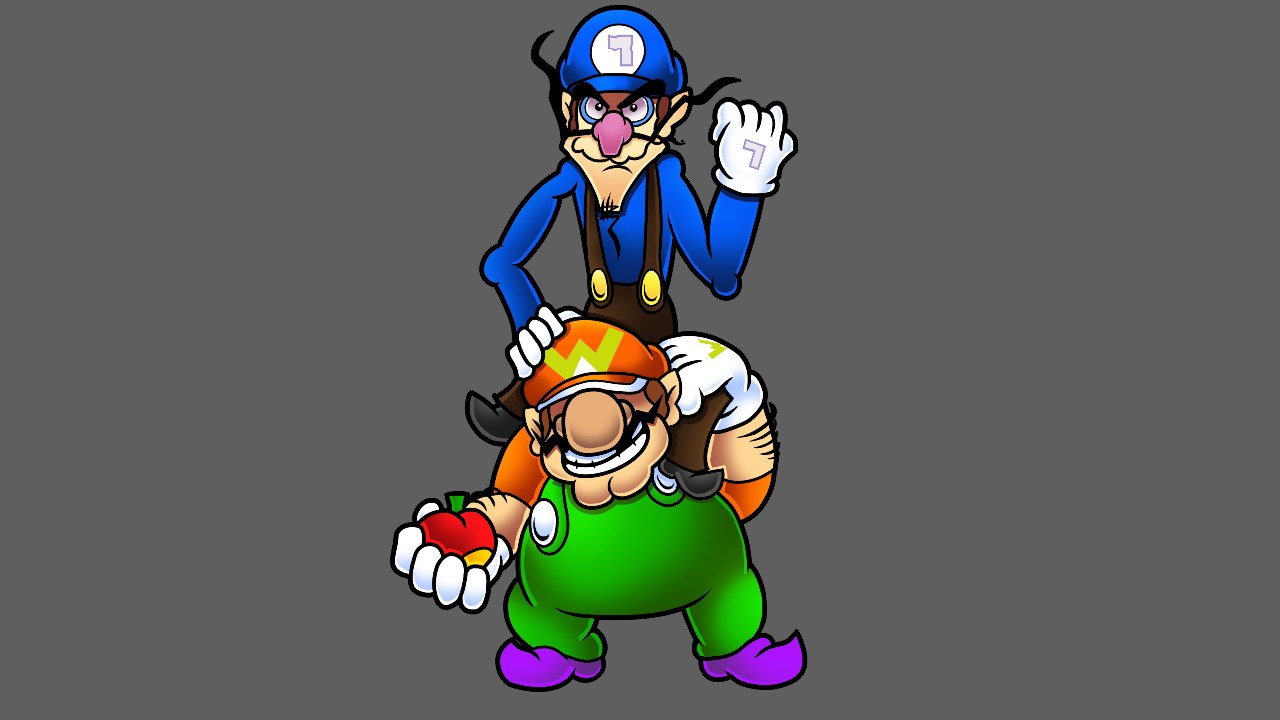
The Nintendo fandom has long been fertile ground for creative reinterpretation, but few fan-made concepts have constructed such a deliberate hierarchical structure as Wawario and Wawaluigi. These characters represent a second order of rivalry: Wario and Waluigi were originally conceived as greedy, antagonistic counterparts to Mario and Luigi respectively. Wawario and Wawaluigi then position themselves as rivals to those rivals, creating a recursive narrative layer that speaks to the community’s appetite for expanding the Mushroom Kingdom’s rogues’ gallery beyond official canon.
Visual Design and Character Conception
Wawario is depicted as a large, imposing figure bearing strong resemblance to Wario but distinguished by several unsettling features: he possesses no eyes, a missing tooth, and wears an orange hat and shirt paired with green overalls—a color inversion that visually signals his oppositional role. Wawaluigi, by contrast, takes Waluigi’s already lanky frame and distorts it further into what descriptors call a “grotesque, ratty version,” clad in a blue shirt and black overalls. These design choices amplify the exaggerated physical traits that define the Wario Bros., pushing them into uncanny territory that resonates with internet horror aesthetics and “creepypasta” adjacent communities.
Timeline of Emergence and Digital Archaeology
The historical record places Wawario’s first documented appearance in a YouTube animation dated June 2015, though this early iteration differs from the design that would later cement his popularity. That more recognizable version surfaced online as early as September 2021, suggesting a multi-year gestation period before the character found its definitive form. Wawaluigi’s trajectory is more precisely attributed: the character’s most popular design was uploaded to DeviantArt by user savagewaluigi2000 in May 2017. This attribution provides a rare clear origin point for a fan creation that would later detach from its creator and enter the broader meme ecosystem.
Viral Resurgence and Platform Dynamics
After years of circulating in niche corners of Nintendo fandom, both characters experienced a synchronized explosion in visibility during late August through September 2026. The surge manifested primarily on X (formerly Twitter) and TikTok, where the characters became subjects of memes, fan art, animations, and comparative analyses. This timeline suggests algorithmic amplification or a catalyst event—potentially a high-profile creator’s video or a trending hashtag challenge—reintroduced the concepts to a new generation of users unfamiliar with their mid-2010s origins. The platform specificity is notable: TikTok’s short-form video format favors the visual absurdity of the character designs, while X’s quote-tweet and thread culture facilitates the lore-building and “iceberg” style content that deepens engagement with obscure gaming mythology.
Why This Matters
The Wawario and Wawaluigi phenomenon illustrates how gaming communities construct layered mythologies around intellectual properties they don’t own. These characters exist in a liminal space: they are derivative works that reference official Nintendo characters (Wario, Waluigi) who are themselves derivative inversions of Mario and Luigi. This recursive creativity demonstrates the depth of fan engagement—participants aren’t merely consuming content but actively extending narrative logic in ways that feel internally consistent to the franchise’s established grammar. The 2026 viral wave also highlights how older internet artifacts can resurface years later through platform algorithm shifts, finding new audiences on platforms that didn’t exist or weren’t dominant at the time of their creation. For researchers of digital folklore and meme evolution, the documented timeline—from a 2015 YouTube video and 2017 DeviantArt post to a 2026 cross-platform trend—offers a clean case study in the lifecycle of fan-generated gaming mythology.
Frequently Asked Questions
Are Wawario and Wawaluigi official Nintendo characters?
No. Both characters are entirely fan-created and have no affiliation with Nintendo. They originated from internet communities—Wawario from a 2015 YouTube animation and Wawaluigi from a 2017 DeviantArt post by user savagewaluigi2000.
What is the relationship between Wawario/Wawaluigi and Wario/Waluigi?
Wawario and Wawaluigi are conceptualized as rivals to Wario and Waluigi respectively. Since Wario and Waluigi are themselves rivals to Mario and Luigi, this creates a “rival to the rival” dynamic that extends the antagonist hierarchy by one additional layer.
Why did these characters go viral in 2026?
The characters experienced a surge in popularity across X and TikTok during late August through September 2026. While the specific catalyst isn’t documented in the source, the resurgence likely resulted from algorithmic rediscovery on platforms that favor visual absurdity and lore-driven content, introducing the decade-old fan designs to new audiences.