Key Highlights
- The U.S. Treasury’s Office of Foreign Assets Control (OFAC) has designated Iranian crypto exchange BitBank, freezing its U.S.-based assets and imposing secondary sanctions that threaten foreign firms processing its transactions.
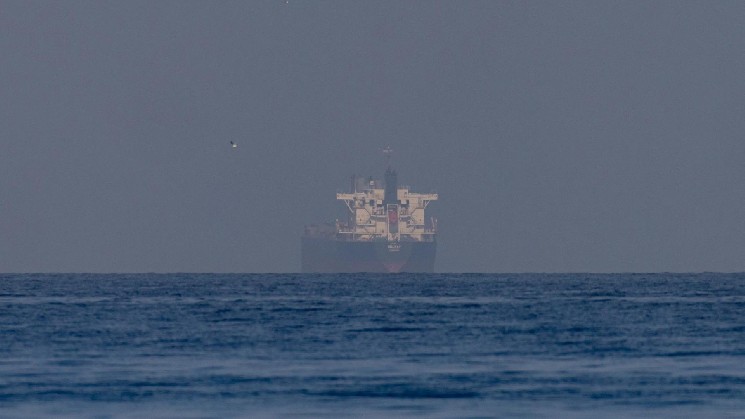
- Iran’s Economy Ministry developed HormuzSafe, a platform offering insurance, traffic control, and emergency response to vessels in the Strait of Hormuz for payment, which shipping lawyers argue violates transit rights under the UN Law of the Sea.
- Wednesday’s designation did not include specific cryptocurrency wallet addresses, unlike previous OFAC actions such as the January Zedcex designation that listed seven Tron wallets for compliance screening.
OFAC Targets Iranian Exchange BitBank With Secondary Sanctions
The U.S. Department of the Treasury’s Office of Foreign Assets Control (OFAC) moved Wednesday to designate Iranian cryptocurrency exchange BitBank, invoking secondary sanctions that significantly expand the enforcement reach beyond U.S. borders. The designation freezes any property or interests in property belonging to BitBank that fall within U.S. jurisdiction and prohibits U.S. persons from engaging in transactions with the entity. However, the more consequential measure is the attachment of secondary sanctions, which expose non-U.S. financial institutions and cryptocurrency exchanges to the risk of losing access to the American financial system if they facilitate transactions for BitBank.
Secondary Sanctions Extend Enforcement to Foreign Intermediaries
Under the secondary sanctions framework, a cryptocurrency exchange operating in Dubai or a bank in Istanbul that processes funds flows connected to BitBank can be severed from the U.S. financial system, even if no American party is directly involved in the transaction. This extraterritorial leverage is designed to compel global compliance by making the cost of servicing designated Iranian entities the potential loss of dollar-denominated clearing and correspondent banking relationships. For offshore platforms that serve Iranian users, the primary threat is not prosecution in a U.S. court but the severance of critical dollar access.
Iran’s HormuzSafe Platform Draws Legal Scrutiny
Separately, local reports indicate that Iran’s Economy Ministry has developed a platform called HormuzSafe, which advertises insurance coverage, traffic control coordination, and emergency response services to commercial vessels transiting the Strait of Hormuz in exchange for payment. Shipping lawyers consulted on the arrangement have characterized it as a violation of transit passage rights guaranteed under the United Nations Convention on the Law of the Sea (UNCLOS). The convention stipulates that ships enjoy the right of unimpeded transit passage through straits used for international navigation, and coastal states may not hamper or condition that passage on the payment of fees for services not rendered.
Absence of Wallet Addresses Complicates Compliance Operations
Notably, Wednesday’s OFAC designation against BitBank did not publish any associated cryptocurrency wallet addresses. This omission contrasts with previous enforcement actions, such as the January designation of the exchange Zedcex, where OFAC listed seven specific Tron blockchain addresses. Compliance teams at exchanges and financial institutions typically ingest these on-chain identifiers into transaction screening software to automatically flag and block interactions with sanctioned entities. Without published addresses, firms must rely on name-based matching and counter-party due diligence, which are less precise and more resource-intensive.
Why This Matters
The dual developments underscore the intensifying intersection of maritime geopolitics and cryptocurrency regulation in the Persian Gulf. The HormuzSafe initiative signals Tehran’s intent to monetize its strategic control over the Strait of Hormuz—a chokepoint for roughly 20% of global oil consumption—by creating a paid-services layer that challenges established international maritime law. Simultaneously, OFAC’s use of secondary sanctions against BitBank reflects a broader U.S. strategy to degrade Iran’s capacity to circumvent financial restrictions through digital assets. The absence of blockchain addresses in the latest designation may indicate either an intelligence gap or a deliberate tactic to force exchanges into broader, risk-averse de-risking of Iranian-linked counterparties. Market participants should monitor whether OFAC supplements the designation with on-chain identifiers in subsequent updates and whether HormuzSafe gains traction among commercial shipping operators.
Frequently Asked Questions
What are secondary sanctions and how do they affect non-U.S. companies?
Secondary sanctions authorize the U.S. government to penalize foreign persons and entities that engage in significant transactions with sanctioned targets, even if those transactions have no U.S. nexus. A foreign exchange or bank that processes payments for BitBank risks being cut off from the U.S. financial system, including losing its correspondent banking relationships and ability to clear dollar transactions.
Why did OFAC not include cryptocurrency wallet addresses in the BitBank designation?
The source does not specify the reason. However, OFAC has included wallet addresses in prior designations, such as the seven Tron addresses published with the Zedcex action in January. The absence may reflect incomplete blockchain intelligence or a strategic choice to pressure compliance teams into broader de-risking of Iranian-linked activity.
What is HormuzSafe and why do shipping lawyers say it violates international law?
HormuzSafe is a platform developed by Iran’s Economy Ministry offering insurance, traffic control, and emergency response to vessels in the Strait of Hormuz for a fee. Legal experts argue that conditioning transit passage on payment for such services contravenes the UN Convention on the Law of the Sea, which guarantees ships the right of unimpeded transit passage through international straits without tolls or mandatory service fees.