Key Highlights
- Lewis Hamilton retired from the Spanish Grand Prix in Madrid after a sudden brake failure on the opening laps while running third.
- Ferrari team principal Fred Vasseur confirmed the team attempted remote fixes before retiring the car, citing safety concerns on the wall-lined Madring circuit.
- Vasseur stated Ferrari had the pace to challenge for the win, but track position dominance made overtaking nearly impossible during the 57-lap procession.
Brake Failure Ends Hamilton’s Race Early at Madring
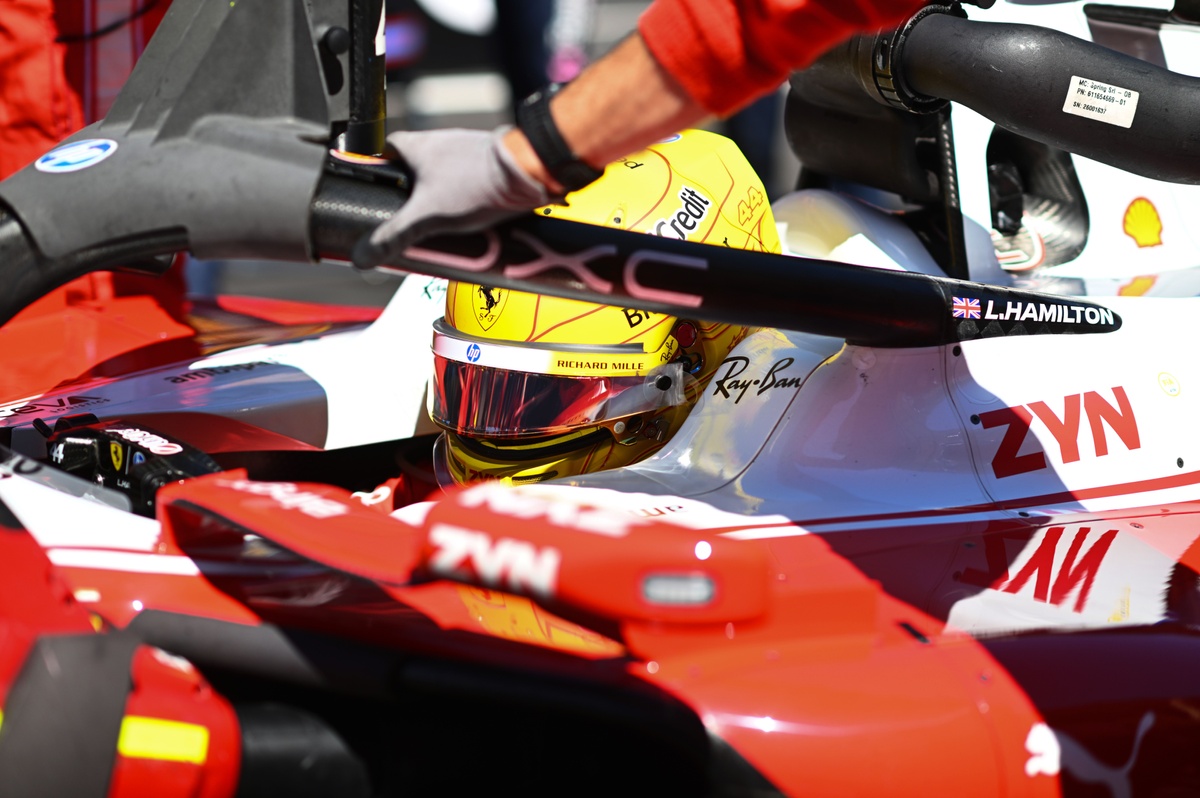
Lewis Hamilton’s Spanish Grand Prix ended in frustration on Sunday after a catastrophic brake failure forced the seven-time world champion into an early retirement from the inaugural running at Madrid’s Madring circuit. The Ferrari driver had been locked in a battle with Red Bull’s Max Verstappen for third place during the opening laps when his brake pedal began to extend abnormally, leaving him unable to slow the SF-25 effectively.
The issue manifested suddenly on the first lap. Hamilton reported that the car was stopping normally under braking for Turn 5 before the pedal “took a step,” causing him to carry excessive speed into the corner. Although the braking performance briefly recovered, giving the team and driver momentary hope, the pedal subsequently went fully to the floor. Hamilton described the incident as “really unexpected” and admitted he was “lucky to make it round” to the pits without a heavy impact, having already brushed the wall after missing a braking point.
Ferrari Opts for Safety Over Salvage on Treacherous Layout
With the 5.4-kilometre Madring layout lined by unforgiving barriers, Ferrari elected not to gamble on a damaged car. Team principal Fred Vasseur revealed that engineers attempted to rectify the problem via steering-wheel adjustments from the pit wall, but the failure recurred “a couple of corners later.” Vasseur characterized the decision to retire the car as straightforward: “Staying on track made no sense in a crazy race. We didn’t want to take any risk.”
The retirement marked a bitter conclusion to a weekend where Ferrari appeared to possess genuine race-winning performance. Vasseur pointed to the pace of Hamilton’s teammate, Charles Leclerc, as evidence that the Scuderia had the speed to challenge the frontrunners. However, the team boss was blunt about the nature of the 57-lap contest, describing it as a “procession dominated by track position” where overtaking was “mega difficult.”
Why This Matters
The Spanish Grand Prix highlighted two critical storylines for Formula 1’s 2025 season. First, Hamilton’s mechanical DNF underscores the reliability challenges Ferrari continues to face in its championship push, wasting a rare opportunity where the SF-25 demonstrated clear front-running pace. Second, the processional nature of the race at the new Madring venue raises immediate questions about the circuit’s suitability for F1. With overtaking described as virtually impossible by a team principal whose driver was on the receiving end of the track-position trap, stakeholders will likely scrutinize whether layout modifications or regulatory adjustments are needed to prevent future editions from becoming static affairs. For Hamilton, the zero points represent a significant blow in the drivers’ standings, while Ferrari must quickly diagnose the brake-system gremlin before the next round.
Frequently Asked Questions
- What caused Lewis Hamilton’s retirement at the Spanish Grand Prix?
- A sudden brake failure caused the pedal to go long and eventually travel fully to the floor, leaving Hamilton unable to slow the car reliably. The issue first appeared on lap one at Turn 5, briefly recovered, then failed permanently.
- Why did Ferrari retire the car instead of trying to continue?
- Team principal Fred Vasseur cited the wall-lined nature of the Madring circuit and the recurrence of the failure after attempted remote fixes. He stated that continuing “made no sense in a crazy race” and the team refused to take safety risks.
- Did Ferrari have the pace to win the Spanish Grand Prix?
- According to Vasseur, the pace shown by Charles Leclerc indicated Ferrari “had the pace to fight with everybody.” However, he emphasized that track position was the decisive factor in a race where overtaking was extremely difficult.