Key Highlights
- Charles Spencer reveals in his new book that he had reservations about the funeral arrangements for his sister, Princess Diana.
- His primary concern centered on the decision for Prince William and Prince Harry to walk behind their mother’s coffin during the procession.
- The disclosure offers new insight into the behind-the-scenes discussions that shaped the historic 1997 royal funeral.
Spencer’s Memoir Details Private Concerns Over Public Funeral Rites
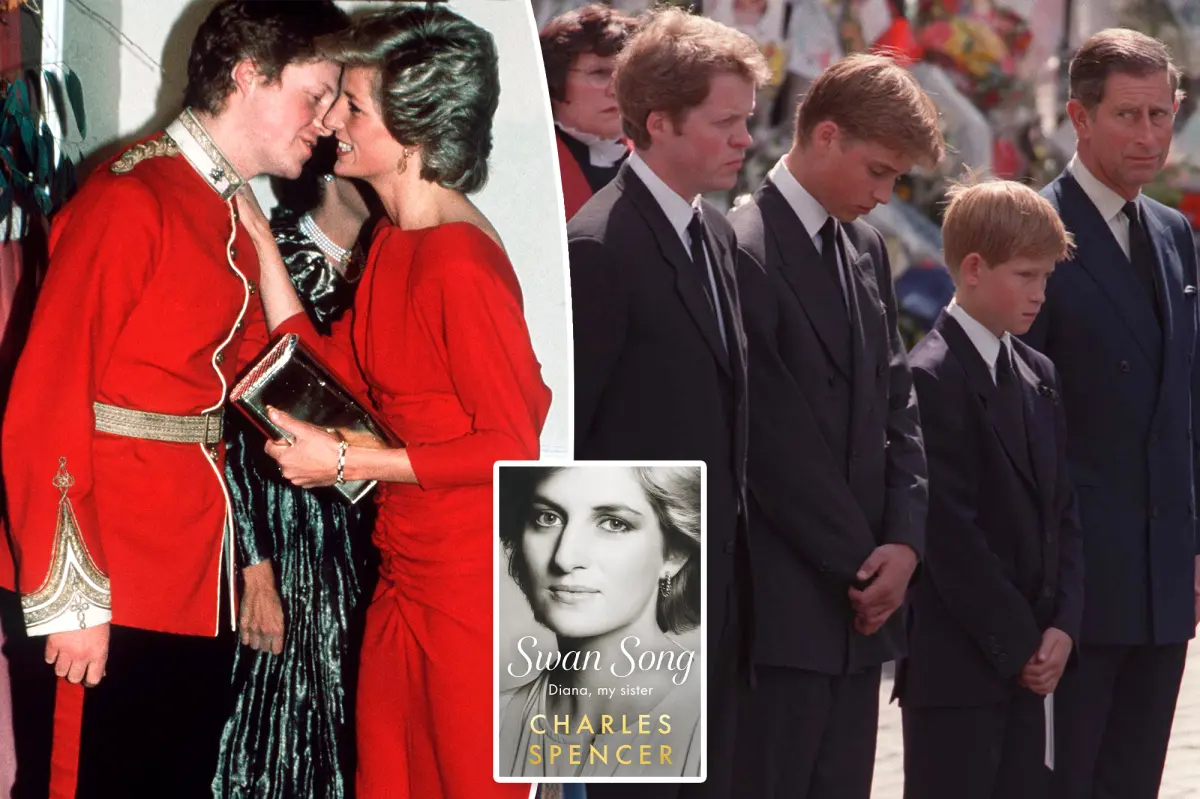
Charles Spencer, the 9th Earl Spencer, has disclosed in his latest publication that he harbored significant misgivings regarding the ceremonial plans for Princess Diana’s funeral in September 1997. According to the account, his apprehension focused specifically on the protocol that placed her two young sons, Prince William and Prince Harry, in the direct line of the funeral procession behind the casket. The revelation adds a layer of personal perspective to the historical record of the events that followed Diana’s death in Paris.
The Weight of a Global Spectacle
The funeral of the Princess of Wales was an unprecedented global media event, watched by an estimated 2.5 billion people worldwide. While the image of the young princes walking behind the gun carriage became an enduring symbol of national mourning and familial duty, Spencer’s retrospective account suggests that the decision was not made without private debate. The source indicates that Spencer “explains in his book why he was wary of Diana’s funeral plans, which involved William and Harry walking behind their mom’s casket,” highlighting a protective instinct toward his nephews during a moment of acute public scrutiny.
Why This Matters
This disclosure contributes to the ongoing historical reassessment of the British monarchy’s relationship with the media and public sentiment in the late 1990s. The decision to have the princes participate so visibly in the procession has been debated for decades, often cited as a pivotal moment in the public lives of William and Harry. Spencer’s firsthand account, as a blood relative and key figure in the funeral arrangements, provides primary-source context for historians and royal observers analyzing the tension between institutional protocol and family welfare during a constitutional crisis. It underscores the private human calculations that occurred behind the choreographed pageantry of a state-adjacent funeral.
Frequently Asked Questions
What specific aspect of the funeral plans did Charles Spencer object to?
According to the source, Spencer was wary of the plan that involved Prince William and Prince Harry walking behind their mother’s casket during the funeral procession.
Where does this revelation appear?
The explanation appears in Charles Spencer’s recent book, though the specific title is not identified in the current report.
Why is this perspective significant now?
As the Princess’s brother and the boys’ maternal uncle, Spencer was a central family figure during the funeral planning. His published reasoning offers a direct, familial counterpoint to the official narratives that have dominated the historical record for over 25 years.