Key Highlights
- Bryan Kohberger’s family has issued a statement expressing respect for the judicial system amid ongoing legal proceedings.
- The family supports the 31-year-old defendant’s constitutional right to withdraw his guilty plea in the 2022 University of Idaho student murders case.
- The development marks a significant procedural shift in one of the most closely watched criminal cases in recent years.
Family Statement Affirms Trust in Legal Process
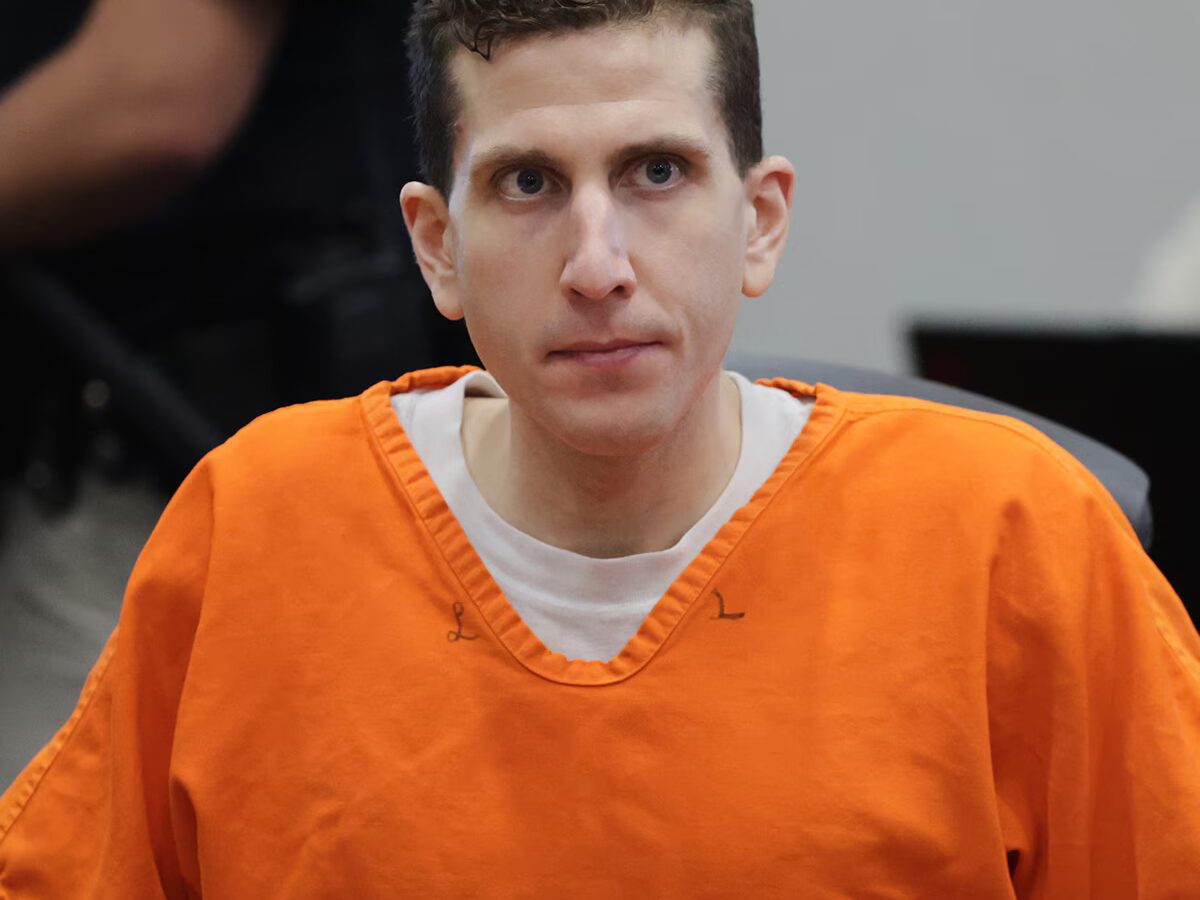
The family of Bryan Kohberger, the man accused of murdering four University of Idaho students in November 2022, has publicly declared its respect for the American judicial system. In a concise statement released through legal representatives, the family emphasized their support for Kohberger’s decision to exercise his legal right to revoke a previously entered guilty plea. The announcement comes as the case continues to navigate complex pre-trial motions in Latah County District Court.
Procedural Right to Withdraw Plea Exercised
Kohberger, a 31-year-old former graduate student in criminology at Washington State University, had entered a guilty plea earlier in the proceedings. Under Idaho criminal procedure, a defendant retains the right to move to withdraw a guilty plea before sentencing, provided the court finds a “fair and just reason” for the withdrawal. The family’s statement underscores that this maneuver is a recognized component of due process, not an admission of innocence or guilt. Legal analysts note that such withdrawals are not uncommon in capital cases, where the stakes of a potential death penalty sentence prompt exhaustive procedural safeguards.
Case Background and Charges
The charges stem from the November 13, 2022, stabbing deaths of Ethan Chapin, 20; Xana Kernodle, 20; Madison Mogen, 21; and Kaylee Goncalves, 21, in an off-campus rental home in Moscow, Idaho. Kohberger was arrested on December 30, 2022, at his parents’ home in Pennsylvania following a multi-state investigation that utilized forensic genetic genealogy, cell tower data, and surveillance footage. He faces four counts of first-degree murder and one count of felony burglary. The prosecution has indicated its intention to seek the death penalty if Kohberger is convicted at trial.
Why This Matters
The withdrawal of a guilty plea in a high-profile capital case resets the procedural clock, effectively returning the matter to a pre-trial posture. This development likely extends the timeline for resolution, necessitating renewed jury selection, expanded discovery, and potentially new pre-trial motions regarding evidence admissibility. For the victims’ families and the Moscow community, the move prolongs an already agonizing wait for finality. For the legal system, it underscores the rigorous protections afforded defendants in death penalty cases, ensuring that any ultimate verdict withstands appellate scrutiny. The case continues to draw national attention to issues of forensic investigative techniques, student safety, and the mechanics of capital punishment in Idaho.
Frequently Asked Questions
- What happens now that Bryan Kohberger has moved to withdraw his guilty plea?
- The case will proceed as if the plea was never entered. The court will schedule a trial date, and both the prosecution and defense will resume pre-trial preparations, including jury selection and evidentiary hearings.
- Does withdrawing a guilty plea mean Bryan Kohberger is claiming innocence?
- Not necessarily. Withdrawing a plea is a procedural right that allows a defendant to have a trial. It does not constitute a formal declaration of innocence, and the defendant may still negotiate a plea agreement later or present a defense at trial.
- When is the trial expected to begin?
- No new trial date has been set publicly. Capital cases in Idaho typically require extensive pre-trial litigation, meaning a trial is unlikely to commence before late 2025 or 2026, depending on court scheduling and motion practice.