
Key Highlights
- Kevin O’Leary predicts the Clarity Act will resurface in the Senate as early as the first quarter of next year despite failing to secure the 60 votes needed to advance on Tuesday.
- The Shark Tank investor characterized the 49- vote outcome as expected, stating the bill’s chances of passing were “zero” in the current session.
- O’Leary cites the House Ways and Means Committee’s advancement of the Digital Asset Tax Certainty Act as a catalyst that will force lawmakers to revisit comprehensive crypto market structure legislation.
O’Leary Frames Failed Senate Vote as Temporary Setback for Crypto Legislation
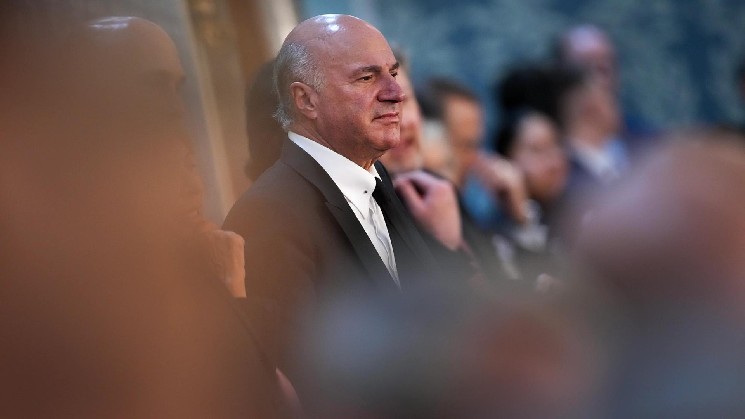
Speaking at the Avalanche Summit in New York on Thursday, veteran investor and Shark Tank host Kevin O’Leary offered a measured assessment of the Clarity Act’s recent procedural defeat in the U.S. Senate. The legislation, which aimed to establish a comprehensive federal framework for digital asset markets by defining the respective jurisdictions of the Securities and Exchange Commission (SEC) and the Commodity Futures Trading Commission (CFTC), fell short of the 60-vote threshold required to proceed on Tuesday, garnering only 49 votes.
Investor Says Outcome Was Predictable
O’Leary did not mince words regarding the bill’s immediate prospects. “The chances of CLARITY passing, in my view, were zero, and that’s what happened,” O’Leary said. The comments underscore a pragmatic view among market participants that the current political calendar and partisan dynamics made passage unlikely during the current legislative window. However, the investor was quick to distinguish between a legislative defeat and a permanent death knell for the regulatory framework.
House Tax Bill Seen as Catalyst for Future Action
The basis for O’Leary’s optimism regarding the bill’s eventual return lies in parallel legislative movement on the House side. This week, the House Ways and Means Committee advanced the Digital Asset Tax Certainty Act. That legislation seeks to codify tax treatment for specific crypto activities, including staking, mining, small transactions, and broker reporting requirements. O’Leary argued that the advancement of tax-specific rules without a corresponding market structure framework creates an incomplete regulatory picture that Congress will be compelled to resolve.
He suggested that the interplay between the two chambers makes a return to the Clarity Act—or a similar market structure bill—inevitable. With the tax bill moving forward, lawmakers will face pressure to define the regulatory perimeter for the assets being taxed, a gap the Clarity Act was designed to fill.
Why This Matters
The failed cloture vote on the Clarity Act highlights the persistent difficulty of passing standalone crypto market structure legislation in a closely divided Senate. However, the simultaneous progress of the Digital Asset Tax Certainty Act in the House signals a shift toward a piecemeal legislative approach. By addressing tax compliance first, Congress is laying groundwork that may necessitate a market structure bill later to prevent regulatory arbitrage and jurisdictional confusion between the SEC and CFTC. For industry stakeholders, O’Leary’s prediction of a Q1 2025 return suggests the policy debate is entering a holding pattern rather than a conclusion, with the next Congress likely to take up the mantle.
Frequently Asked Questions
What was the vote count for the Clarity Act in the Senate?
The Clarity Act received 49 votes in favor of proceeding, falling 11 votes short of the 60-vote supermajority required to invoke cloture and advance the legislation.
What is the Digital Asset Tax Certainty Act?
Advanced by the House Ways and Means Committee, this bill aims to establish clear tax rules for digital asset activities including staking, mining, small transactions, and broker reporting requirements.
When does Kevin O’Leary expect the Clarity Act to return?
O’Leary stated he believes the legislation could return as soon as the first quarter of next year.