American Airlines Pilot Clashes With ATC Over Wake Turbulence Separation at Atlanta Airport
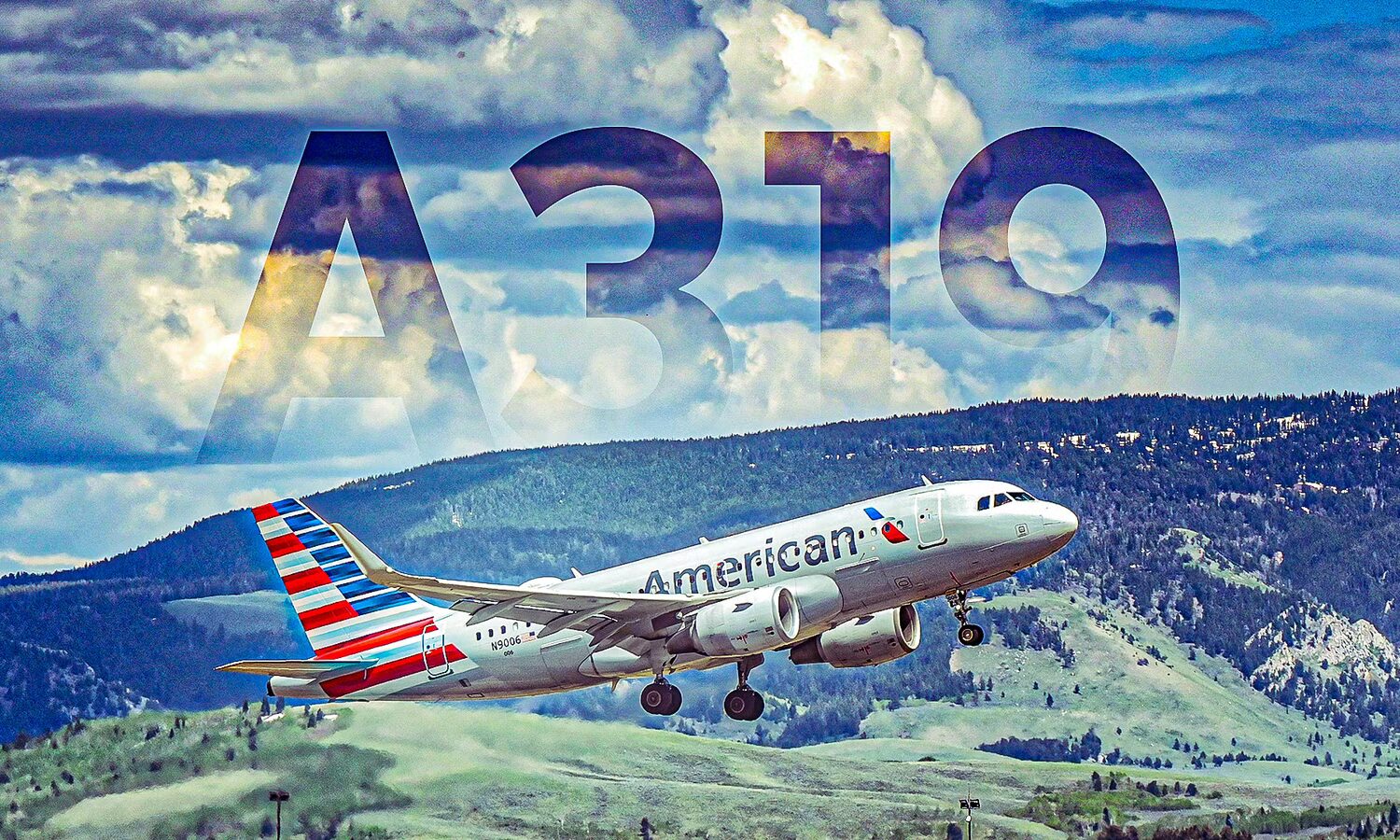
Tempers flared at Hartsfield-Jackson Atlanta International Airport (ATL) this weekend when an American Airlines pilot and an air traffic controller engaged in a heated exchange over takeoff separation standards. The incident involved American Airlines flight AA1428, an Airbus A319-100 bound for Philadelphia International Airport (PHL), which was scheduled to depart at 7:35 AM local time on Sunday, September 13.
Dispute Begins After Pilot Requests Additional Separation Time
The A319 was cleared for takeoff behind a larger Boeing 757. After lining up on the runway, the pilot requested additional wait time, stating: “we need a little bit more time for that separation.” The controller obliged but subsequently chastised the crew for the late notice.
According to reporting by View From The Wing, ATC advised: “next time you need more than standard separation, you need to notify us prior to taking the runway.”
Pilot Pushes Back on Controller’s Assertions
The American Airlines pilot responded sharply, challenging the controller’s understanding of wake turbulence requirements:
“We do not carry your separation manuals in our flight deck. You cleared us for takeoff behind a 757 with winds calm. (…) I don’t think that’s a proper separation for wake turbulence.”
The pilot further objected to the controller’s claim that “there is no wake turbulence separation” and insisted the tower should “let us fly the airplane,” adding that “you guys can do your job.” The exchange escalated to the point where ATC threatened to report the pilot.
Flight Arrives Early Despite Confrontation
Despite the tense radio exchange, the flight was not significantly delayed. Per Flightradar24 data, AA1428 touched down at Philadelphia International Airport 14 minutes ahead of schedule.
ATL-PHL: A High-Frequency Domestic Corridor
The Atlanta-to-Philadelphia route ranks among the busiest domestic corridors in the eastern United States. Current scheduling data from aviation analytics firm Cirium shows the route operates 14 to 18 times daily in each direction this month.
| Carrier | September Departures |
|---|---|
| American Airlines | 158 |
| Delta Air Lines | 239 |
| Frontier Airlines | 93 |
Delta Air Lines, for which ATL serves as the primary hub, operates seven to nine daily flights each way on the route. American Airlines averages five to six daily rotations using a mix of mainline and regional aircraft. Ultra-low-cost carrier Frontier Airlines accounts for three daily trips.
Wake Turbulence Categories and Safety Protocols
Wake turbulence separation standards assign aircraft to categories based on maximum takeoff weight. The Airbus A319 (Category F) and Boeing 757 (Category E) are only one category apart. However, pilots retain the authority to refuse a takeoff clearance if they deem conditions unsafe.
History underscores the stakes. In 1972, a Delta Air Lines DC-9 crashed while landing at Greater Southwest International Airport (GSW) in Texas after encountering wake turbulence from a larger American Airlines DC-10. All four crew members perished, according to the Aviation Safety Network.
The incident at ATL highlights the ongoing tension between operational efficiency at congested hubs and the conservative safety margins pilots are trained to uphold.