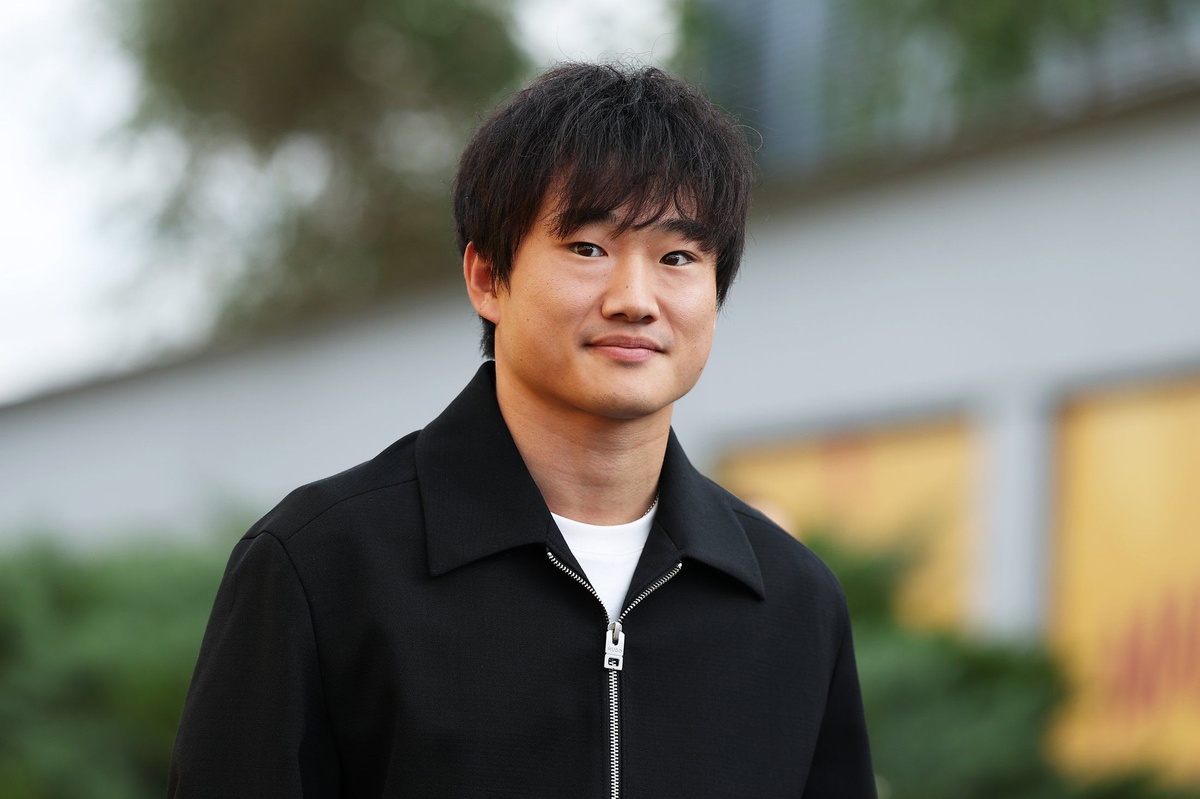
Yuki Tsunoda has dismissed Max Verstappen’s suggestion that recent driver performances prove the 2026 Formula 1 regulations diminish the importance of driver skill. The Japanese driver, currently standing in for the injured Isack Hadjar at Racing Bulls, delivered strong results in his two race starts at Zandvoort and Monza.
Tsunoda Unfazed by Verstappen’s Critique of 2026 Rules
Tsunoda and Verstappen were teammates at Red Bull Racing during the 2025 season. While Verstappen secured second place in the drivers’ championship, Tsunoda finished 17th and was replaced by Isack Hadjar for 2026. After moving into a reserve role, Tsunoda returned to race action for sister team Racing Bulls following a wrist injury sustained by Hadjar over the summer break. Liam Lawson, who also struggled alongside Verstappen in 2025, temporarily filled Hadjar’s Red Bull seat.
Both replacement drivers impressed. Lawson finished seventh at Zandvoort, while Tsunoda scored a championship point at Monza after narrowly missing out in the Netherlands. Speaking in Madrid ahead of this weekend’s race, Tsunoda expressed satisfaction with his performance and indifference to Verstappen’s theory.
“It’s his comments, so… I don’t know. I really just read it, to be honest. That’s it.
“It’s a different car, for sure. Obviously, energy deployments and stuff is different. It’s obviously part of things that you can’t really push flat out in some corners. Something I experienced in Monza.
“But, yeah, that’s it. I’m not really taking anything from his comments and compare to my results, what I showed in two races, it’s a very individual thing, I think. So, I think I’ve done a good job and that’s it.”
Verstappen Argues New Regulations Create “Choke Hold” on Drivers
Verstappen has been a consistent critic of the 2026 technical regulations, famously describing them in pre-season testing as “Formula E on steroids” due to the heavy reliance on energy management. His concerns appear validated by several races this season where electrical deployment strategies overshadowed pure driving talent.
Notable examples include Lando Norris being ‘forced’ into overtaking Lewis Hamilton at Suzuka due to energy deployment modes, and McLaren highlighting the “self-learning elements” of the power unit impacting racing at Spa-Francorchamps. These incidents prompted Verstappen to cite Lawson and Tsunoda’s immediate competitiveness as further evidence of a fundamental shift in the sport.
“In the history of the sport, normally the driver that is the most committed, the latest on the brakes, earlier on throttle, committing in the high-speed [corners], they get rewarded, because you just gain that time in the corner.
“But now you’re constantly thinking about, ‘In this corner I might have to hold in a bit. Go later on throttle. Or brake earlier. Or lift off. And then I have more top speed.’ Stuff like that. It’s so unnatural. It’s so not how it should be.
“No disrespect, and I hope no one picks up on this, but look at Yuki. He jumps in the car. Never driven the car before. Immediately competitive. Liam jumps from the Racing Bulls to the Red Bull – immediately competitive. It’s because these cars are numb to your driver inputs.
“Of course, yes, you still have to do a good lap and you still have to commit, the fastest drivers will always come out on top, but it’s really, really limited, like a choke hold or something. You’re held back.”
Tsunoda will continue in the Racing Bulls seat for the Madrid Grand Prix as Hadjar recovers, offering another opportunity to test his form against Verstappen’s hypothesis.