Formula 1 Madrid Debut: Madring Circuit Eliminates Manhole Cover Risk That Plagued Las Vegas
Formula 1 is preparing to race on a brand-new circuit for the first time since 2023. The Madring, located in Madrid, will host the 2026 Spanish Grand Prix this weekend, marking a significant expansion of the championship’s European calendar.
A Modern Semi-Urban Circuit Design
In line with many new venues introduced over the last 15 years, the Madring is classified as a street circuit, though it follows a specific hybrid model. While it incorporates sections of public road, portions have been purpose-built to host Formula 1 machinery. This approach places it alongside contemporary semi-urban venues such as Sochi, Jeddah, and Miami, blending city atmosphere with dedicated racing infrastructure.
Anticipation is building among teams and fans, though some observers approach the debut with a degree of apprehension. Early simulations and track data suggest the Madring may present a particularly difficult challenge to master, combining high-speed sections with technical street-circuit characteristics.
Learning from the Las Vegas 2023 Incident
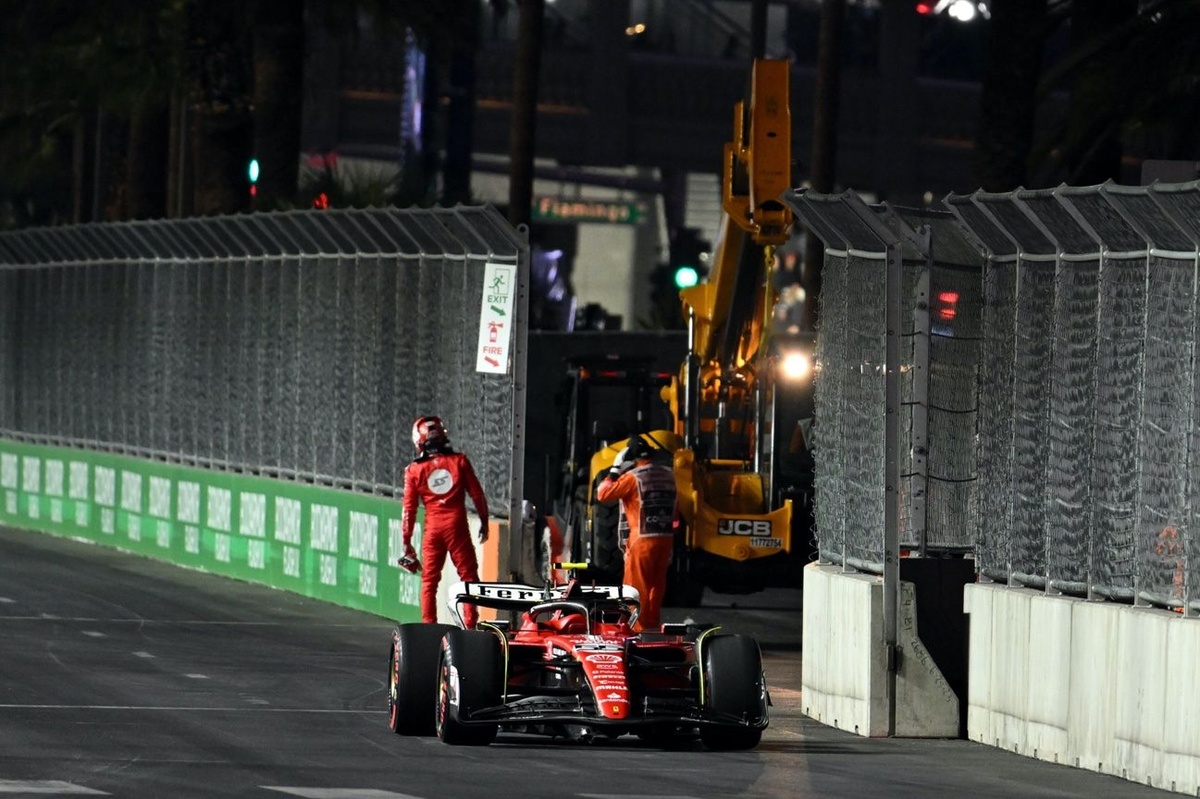
New circuit debuts often serve to iron out operational kinks, but the Madring organizers have proactively addressed a specific issue that disrupted the Las Vegas Grand Prix debut in 2023. During the first practice session (FP1) on the Las Vegas Strip Circuit, Carlos Sainz’s Ferrari struck a manhole cover that came loose due to a fault in the concrete securing it.
While Sainz escaped injury, the incident caused significant damage to his car. The repercussions were severe for Ferrari, resulting in both a sporting penalty—a grid drop for the Spaniard—and substantial financial cost. The session was cancelled after just 10 minutes, and the second practice session was postponed until 2:30 am local time, running in front of empty grandstands after spectators were evacuated.

Zero Manhole Covers: A Design Mandate
The Las Vegas experience proved seminal for the Spanish Grand Prix organizers. Ferrari, which has a vested interest in preventing a recurrence, has revealed that the Madring’s very design accounted for the persistent manhole cover hazard on street circuits.
The solution was straightforward but radical: the 5.416 km track layout features zero manhole covers on the racing surface. Ferrari confirmed this specification in its official race presentation, stating:
“Zero. The number of manhole covers on the track. To avoid the problems seen at other street circuits, the design specified there would be none in the track surface.”
This proactive engineering decision offers a sigh of relief for Ferrari and for Sainz, who serves as an ambassador for the Madrid circuit. By eliminating the infrastructure hazard at the design stage, the Madring aims to ensure that the focus remains on racing performance rather than avoidable mechanical failures.