Shiba Inu Burn Rate Surges 1,307% as 46.25 Million SHIB Tokens Permanently Removed from Circulation
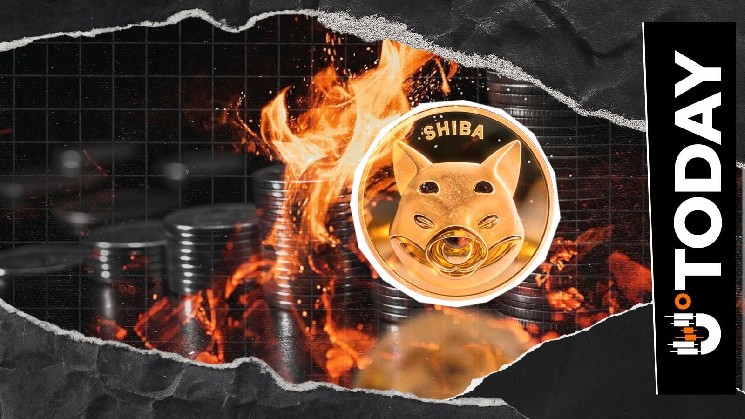
Shiba Inu’s circulating supply contracted significantly over the last 24 hours following a massive token burn event that permanently removed tens of millions of SHIB from the market. According to on-chain data tracked by Shibburn, the network recorded a substantial four-figure percentage increase in its daily burn rate amid consistently growing network activity.
46.25 Million SHIB Sent to Dead Wallets in Single Day
As of Tuesday, September 8, blockchain data confirms that a total of 46.25 million SHIB tokens were transferred to irretrievable dead wallets over the preceding 24-hour period. This large-scale burn activity drove a 1,307% surge in the daily burn rate, signaling heightened on-chain engagement within the Shiba Inu ecosystem.
The aggressive reduction in supply has pushed the weekly burn volume past 126 million SHIB, representing an approximate value of $678 at current trading prices.
Price Action Diverges from Burn Momentum
Despite the bullish implications of reduced token supply, SHIB’s price momentum has shown signs of slowing. The asset is currently trading slightly above the $0.0000052 mark and moving in negative territory for the session. Market analysts note that while large burn events reduce the available supply for sale—potentially boosting demand and improving scarcity—the metric alone cannot sustainably drive price appreciation.
The current divergence between aggressive supply reduction and stagnant price action is not considered unusual by analysts, as token burns represent only one factor among many influencing market valuation.
Supply Dynamics and Network Growth
The latest burn figures underscore a tightening supply dynamic for the leading meme token. By permanently removing tokens from circulation, the network effectively increases the scarcity of remaining SHIB, a mechanism often viewed favorably by long-term holders. However, sustained price movement typically requires concurrent catalysts such as increased adoption, broader market recovery, or fundamental ecosystem developments.