Oil Surges Toward $100 as Iran Tensions Escalate
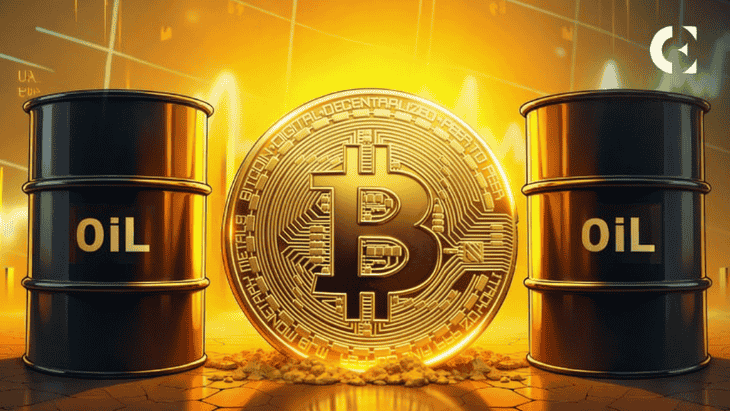
Brent crude reached a seven-week high near $99 a barrel this week, while West Texas Intermediate climbed above $92. The rally follows Iran’s announcement that it plans to declare a maritime “exclusion zone” around the Strait of Hormuz, warning it will stop ships attempting to pass without permission. This escalation comes after U.S. strikes targeted three Iranian oil tankers over the weekend. Iran has promised a “more intense” response, and Brent prices have surged close to 20% over the past month.
Why Rising Crude Creates an Inflation Problem
Oil functions as more than transportation fuel. It feeds directly into shipping costs, plastics manufacturing, fertilizer production, and food supply chains. When crude prices spike this rapidly, the increases appear at gas pumps within days and in grocery bills within weeks. U.S. inflation was already running above the Federal Reserve’s 2% target before this latest geopolitical flare-up. Fed Chair Kevin Warsh has maintained a hawkish stance through the summer, and traders are now pricing in genuine odds of a rate hike rather than a cut, a scenario that appeared unthinkable a year ago.
The Federal Reserve Faces a Policy Trap
The Fed balances two sometimes conflicting mandates: controlling inflation and maintaining a healthy labor market. A cooling jobs picture typically argues for lower rates. However, if oil-driven inflation continues climbing, cutting rates risks exacerbating price pressures. Should oil remain near $100, the Fed may delay cuts it would otherwise implement, or hold rates higher for longer than markets currently anticipate. Some forecasters now place the probability of a September rate hike above 50%.
How Higher Rates Pressure Bitcoin
Bitcoin offers no yield comparable to bonds or savings accounts. When interest rates and Treasury yields rise, investors gain a superior risk-free alternative, prompting capital to flow out of assets like Bitcoin and into fixed income or cash. Higher rates also tighten overall financial system liquidity, the total pool of money available to chase risk assets. Reduced liquidity generally translates to weaker demand for Bitcoin. When U.S. strikes on Iranian tankers pushed oil higher this week, Bitcoin slipped toward $79,700. A similar pattern emerged on September 2, when renewed conflict drove Brent higher and Bitcoin fell roughly 1.5%.
Bitcoin’s Safe-Haven Narrative Faces Reality Check
A Middle East war might appear to be the type of event that drives investors toward Bitcoin as a hedge. In practice, that correlation has not materialized. Bitcoin has largely moved in tandem with equities during this conflict, declining when tensions escalate and stabilizing when they ease. Geopolitical fear alone does not drive capital into Bitcoin. Instead, Bitcoin responds to the direction of interest rates, yields, and overall market liquidity. Geopolitical events matter to Bitcoin only to the extent they alter those financial conditions.
Potential Bullish Reversal Scenario
One scenario could eventually benefit Bitcoin. If sustained $100+ oil chokes consumer spending and slows the economy severely enough, the Fed may ultimately be forced to cut rates aggressively to support growth, even with inflation remaining elevated. Should expensive energy damage growth sufficiently to compel aggressive monetary easing, the resulting easier financial conditions could become supportive for Bitcoin. However, a sharp economic slowdown could still pressure risk assets before that liquidity benefit emerges.
The Critical $100 Oil Threshold
The $100 per barrel mark represents a psychological and policy inflection point. Below that level, this episode likely remains a volatility event: Bitcoin dips on headlines and recovers as tensions ease. Above it, and sustained, the situation becomes a macroeconomic problem that reshapes Fed policy for months. In that environment, Bitcoin’s trajectory depends less on Iran and more on what Jerome Powell’s successor decides to do next.