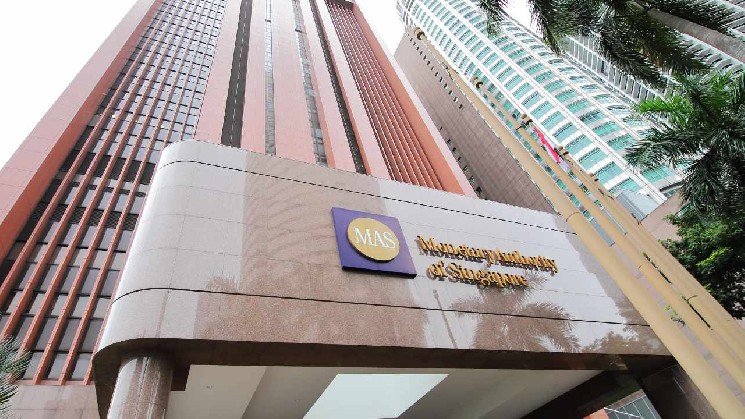
The Monetary Authority of Singapore (MAS) has proposed legislative amendments that would ban interest payments on MAS-regulated stablecoins and impose stronger safeguards on issuers.
Announced on Sept. 1, the proposed changes to the Payment Services Act 2019 would define the requirements for stablecoin issuers seeking MAS supervision and establish which tokens could use the “MAS-regulated stablecoin” designation.
Only issuers licensed under Singapore’s Single-Currency Stablecoin framework would be allowed to describe themselves as licensed MAS-regulated stablecoin issuers. Tokens outside the framework would continue to be classified as digital payment tokens and remain subject to Singapore’s existing consumer protection rules for such assets.
“MAS’ proposed legislative amendments will give effect to a stablecoin framework that promotes responsible financial innovation. The framework will provide clear regulatory guardrails for stablecoins that meet high standards of value stability and governance,” MAS Deputy Managing Director for Financial Supervision Ho Hern Shin said, adding:
“This is important as asset tokenisation gains traction. Trusted and well-regulated stablecoins can serve as a credible settlement asset in tokenised financial markets, while mitigating risks to users and the broader financial system.”
The stablecoin consultation also seeks feedback on issuer requirements covering capital, value stability, redemption at par and disclosures. Proposed measures include stress testing, recovery planning, orderly wind-down arrangements and protection for customer funds received before stablecoins are issued.
Foreign Stablecoins Could Qualify Through Limited Pathways
Singapore’s existing framework covers single-currency stablecoins issued domestically and pegged to the Singapore dollar or a Group of 10 (G10) currency. The G10 currencies are the U.S. dollar, euro, yen, pound sterling, Swiss franc, Canadian dollar, Australian dollar, New Zealand dollar, Norwegian krone and Swedish krona.
Adopted in 2023, the framework established requirements for reserve assets, minimum capital, timely redemption and disclosures for qualifying stablecoin issuers.
The new proposals would expand the framework by allowing stablecoins jointly issued by Singaporean and foreign entities to qualify when their risks are sufficiently mitigated. MAS is also considering recognition for a limited number of foreign-issued stablecoins overseen under regulatory frameworks that Singapore considers comparable.
The cross-border proposals come as MAS conducts separate work on tokenized settlement in collaboration with industry participants. The central bank has previously finalized the framework’s features for reserve backing and redemption reliability while preparing draft legislation and conducting trials involving regulated stablecoins and tokenized bank liabilities.
Recognition would remain selective rather than automatic and would not cover every stablecoin regulated by an overseas authority. Qualifying foreign-issued stablecoins could support cross-border wholesale transactions, while jointly issued tokens could use the MAS-regulated label if their operational and regulatory risks meet the authority’s standards.
Proposed Interest Ban Would Prevent Issuer-Paid Returns
The proposed ban would prevent issuers from paying interest on MAS-regulated stablecoins. It is one of several enhancements MAS has outlined alongside the licensing amendments.
Restrictions on issuer-paid returns have become a major policy issue in jurisdictions developing stablecoin regulations. A White House economic analysis of stablecoin yield restrictions examined whether such rules could protect bank lending by limiting competition from interest-bearing digital tokens.
Stablecoins generally aim to maintain a fixed value through reserves, collateral, redemption mechanisms or related market incentives. Their structures vary significantly, and yield-bearing stablecoins may present different risks from payment tokens backed by cash and other liquid assets.
MAS is accepting public comments on the proposed legislation and related policy positions until Oct. 16. The consultation remains open, so the proposed interest ban, foreign-recognition pathways and expanded issuer safeguards are not yet rules in force.
Source: cryptonews.net