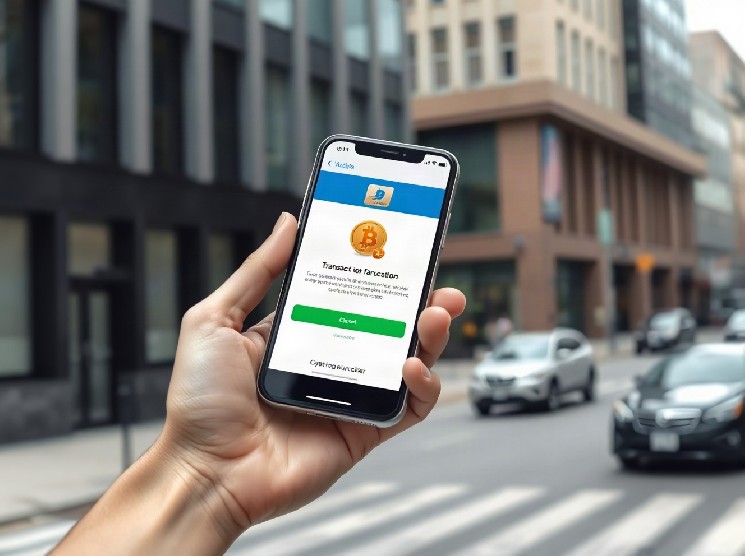
Robinhood Wallet and social trading app Fomo have launched a feature that lets users buy memecoins with credit cards through Apple Pay and Google Pay, without completing a separate know-your-customer (KYC) process at checkout.
The integration uses Crossmint’s Token Checkout and processes payments on the Robinhood Chain network. Transactions are classified under the merchant category code for digital goods media, a category commonly used for products such as audiobooks and digital movies.
How Memecoin Payment Classification Works
By classifying memecoin purchases as digital goods instead of cash advances or financial product purchases, the transactions can be processed like ordinary retail spending. As a result, some credit cards may award points, miles or cashback for memecoin purchases—an approach that differs from the way card networks have traditionally handled cryptocurrency transactions.
Chase has said it is investigating the feature because of concerns that it could circumvent card issuer rules governing cryptocurrency purchases. The New York Attorney General’s office has also said it is aware of the matter and is reviewing it.
Regulatory and Industry Implications
The feature arrives as regulators and financial companies increase their scrutiny of cryptocurrency products and payment systems. Credit card networks have historically applied stricter rules to crypto purchases, often treating them as high-risk transactions.
Using a digital goods classification could allow consumers to earn rewards on purchases that might otherwise be restricted or subject to different fee structures. The arrangement has raised questions about whether the classification accurately reflects the underlying transactions and complies with card network policies.
What Credit Card Memecoin Purchases Mean for Consumers
Buying memecoins with a credit card and potentially earning rewards may appeal to some consumers, but the strategy carries significant risks. Memecoins are highly volatile assets that can lose value rapidly, while using borrowed funds for speculative investments can increase potential losses.
The absence of a separate KYC process at checkout may also raise compliance and consumer protection concerns. If card issuers or regulators conclude that the digital goods classification is inappropriate, users could face unexpected fees, transaction reversals or other restrictions.
Frequently Asked Questions
Can I earn credit card rewards on memecoin purchases through Robinhood Wallet and Fomo?
Yes. Because the transactions are classified as digital goods media, some credit cards may offer points, miles or cashback on these purchases. However, the classification is under review by Chase and the New York Attorney General’s office and could change.
Do I need to complete a separate KYC process to buy memecoins with a credit card?
No. The integration through Crossmint’s Token Checkout allows users to fund onchain purchases with a single tap without a separate KYC process at checkout. Standard KYC requirements for the Robinhood Wallet or Fomo app may still apply.
What are the risks of buying memecoins with a credit card?
Memecoins are highly volatile and can lose value quickly. Using a credit card could result in significant financial losses. If card issuers determine that the transaction classification is inappropriate, users could also face additional fees or restrictions. Consumers should consider these risks before using credit for speculative investments.
Related Reading
- Crypto Industry Skeptical of CLARITY Act Passage This Year, CNBC Reports
- Robinhood CEO Floats Airdropping Stock Tokens to Memecoin Holders
- Japan’s FSA Warns Hong Kong-Based Crypto Operator IZAKA-YA Over Unregistered Services
- SEC and CFTC Push Forward on Crypto Rules as CLARITY Act Stalls in Congress
- Coinbase CEO: Entrenched Financial Interests Oppose Crypto Clarity Act