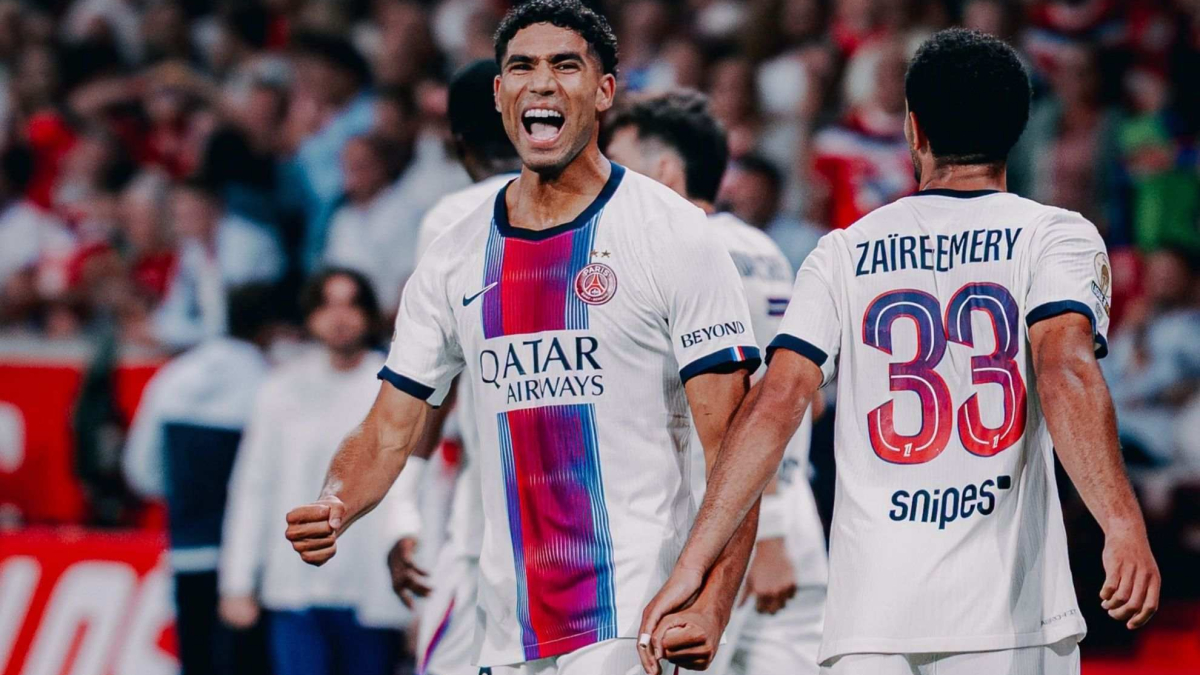
Winning the UEFA Champions League once is difficult. Winning it twice consecutively is rarer. A third straight title would place Paris Saint-Germain among the greatest dynasties in European soccer.
That is the challenge facing PSG as the French club begins another Champions League campaign after securing back-to-back European crowns under manager Luis Enrique.
Can PSG win a third consecutive Champions League title?
Yes, but the path will be demanding. For years, PSG entered the Champions League under intense pressure and with a history of disappointment. That narrative has changed significantly under Luis Enrique, who has transformed the club from a collection of elite individuals into one of Europe’s most complete teams.
PSG now has a clear tactical identity built on pressing, possession and collective discipline. The results are compelling. Consecutive Champions League triumphs have made PSG the team everyone else is trying to catch, while the squad has demonstrated that it can manage the pressure of being the favorite.
Champions League campaigns are often decided by a few crucial moments in hostile stadiums, difficult knockout ties and a team’s ability to stay composed when everything is at stake. PSG has already overcome those challenges twice.
PSG’s Champions League schedule is challenging but manageable
The newly released schedule offers several important tests. PSG’s home fixtures include meetings with Barcelona, Roma, Galatasaray and Slovan Bratislava.
Barcelona is the headline opponent on paper. The Spanish giants remain one of Europe’s most talented clubs and will provide an early test of PSG’s credentials as a potential champion.
Roma and Galatasaray are capable of producing difficult tactical battles, while Slovan Bratislava is the kind of opponent a defending champion must defeat efficiently.
The away schedule could be even more revealing, with trips to Villarreal, Como, Manchester City and Aston Villa exposing PSG to a range of playing styles and atmospheres.
The visit to Manchester City immediately stands out as one of the toughest fixtures on the schedule. Villa Park has become one of Europe’s most intimidating venues under Unai Emery, while Villarreal’s European pedigree makes the club dangerous regardless of its form.
The schedule is demanding, but it is not overwhelming. PSG has navigated more difficult routes in previous Champions League campaigns.
Luis Enrique remains relaxed after the draw
One of the most encouraging signs for PSG supporters is the calm approach of Luis Enrique. Speaking after the draw, the manager joked about his previous experiences watching the Champions League pairings unfold.
“In my first three years here, I watched it from my office, and it was a disaster each time as we got drawn against the toughest teams,” he said.
Instead of obsessing over potential opponents, Enrique said he planned to spend the day cycling around Paris while club executives Olivier Gagne and Luís Campos followed the draw.
“It can’t be any worse than last year,” Enrique said with a laugh. “When we get home, we’ll see what we’ve got ahead of us, but I’ll happily take the end result of the last two seasons.”
The comments underline a manager who believes PSG’s focus should remain on its own performance rather than on the draw. After winning consecutive Champions League trophies, confidence has become a competitive advantage.
The biggest threat to a third straight title may not be the schedule but fatigue. The modern soccer calendar is more demanding than ever, particularly for players who have taken part in the World Cup and other international competitions.
Enrique acknowledged that challenge when explaining his approach to squad management.
“I’m always open to giving a few days off to the players who came back less rested because they’d played at the World Cup,” he explained. “It’s important to disconnect.”