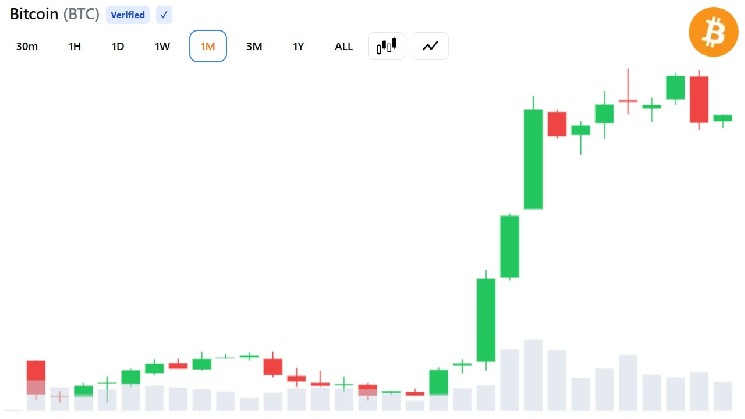
Bitcoin’s current bull-cycle peak could be driven by institutional capital and exchange-traded funds (ETFs) outside the United States, according to Ki Young Ju, founder and CEO of cryptocurrency market analytics platform CryptoQuant.
Ju outlined the forecast in an Aug. 27 post on X, arguing that international market access could become a significant source of demand after U.S. products expanded regulated exposure to bitcoin.
Ju stated:
“The peak of this bull cycle will likely be driven by institutional money and ETFs outside the US.”
South Korea Highlights Barriers to Bitcoin ETF Access
Ju cited South Korea as an example of the restrictions that remain in international markets. The country does not have a spot bitcoin ETF, retail investors cannot purchase foreign-listed spot bitcoin ETFs, and most companies are still unable to open exchange accounts to buy $BTC.
South Korea has begun allowing corporate participation in stages. A Financial Services Commission (FSC) roadmap includes a phase covering about 3,500 listed companies and qualified professional investors, while financial companies and other corporations remain outside the framework.
Ju described widespread retail access as a possible signal that the market cycle is reaching its peak:
“This cycle’s top might be when a banker at a regional bank in Korea recommends a spot bitcoin ETF to a granny for her savings.”
The forecast shifts attention away from U.S. fund flows and toward markets where regulated bitcoin investment products are unavailable or have limited distribution. The U.S. Securities and Exchange Commission (SEC) approved spot bitcoin exchange-traded products in January 2024, enabling investors to gain exposure through conventional brokerage and investment accounts.
Ju argues that similar access in other countries could broaden participation during the next phase of bitcoin’s cycle.
Institutions Build Bitcoin and Tokenization Infrastructure
Institutional adoption extends beyond direct bitcoin purchases and spot ETF holdings, although access and service offerings remain uneven. Strategy’s Bitcoin Banking Adoption Index assessed 25 major institutions across trading, custody, digital asset products, financing, and corporate participation.
The index placed overall bank adoption at 32%, indicating substantial room for financial institutions to expand their digital asset capabilities.
Tokenized real-world assets (RWAs) could provide another part of the financial infrastructure that Ju expects to support broader adoption. As of Aug. 29, RWA.xyz’s Global Market Overview reported $38.63 billion in distributed asset value, an increase of 2.65% over the previous 30 days.
These products are part of the tokenized RWA market, which transfers claims on assets such as government securities and private credit to blockchain-based systems for issuance, settlement, and transfer.
Stablecoin Liquidity Could Expand Market Access
Deeper stablecoin markets could provide institutions with greater liquidity for trading, settlement, and cross-border transfers as regulated bitcoin access expands.
The Bank for International Settlements (BIS) said stablecoins show potential for faster, programmable payments but warned that current designs can create financial integrity, liquidity, and monetary risks. The assessment underscores that expanding on-chain financial infrastructure does not remove regulatory or operational concerns.
Bitcoin’s fixed supply limit and decentralized settlement remain distinct from the regulated funds and tokenized financial systems that give investors access to the asset. Wider ETF distribution could increase bitcoin access without changing the network’s underlying design.
Ju expects both investment access and the infrastructure supporting it to expand beyond the U.S. market. His comments follow rapid adoption of U.S. bitcoin ETFs, with spot funds attracting about $57 billion in net inflows during their first two years.
“So far this has been a US adoption story, but the next phase is global institutionalization with deeper stablecoin liquidity and RWA rails,” Ju noted, adding:
“More institutions will hold $BTC as a strategic asset, and access will improve in the many countries that still lack ETFs.”
The outlook centers on wider international ETF availability, increased institutional bitcoin holdings, and blockchain-based financial infrastructure as factors that could shape the cryptocurrency’s next stage of adoption.