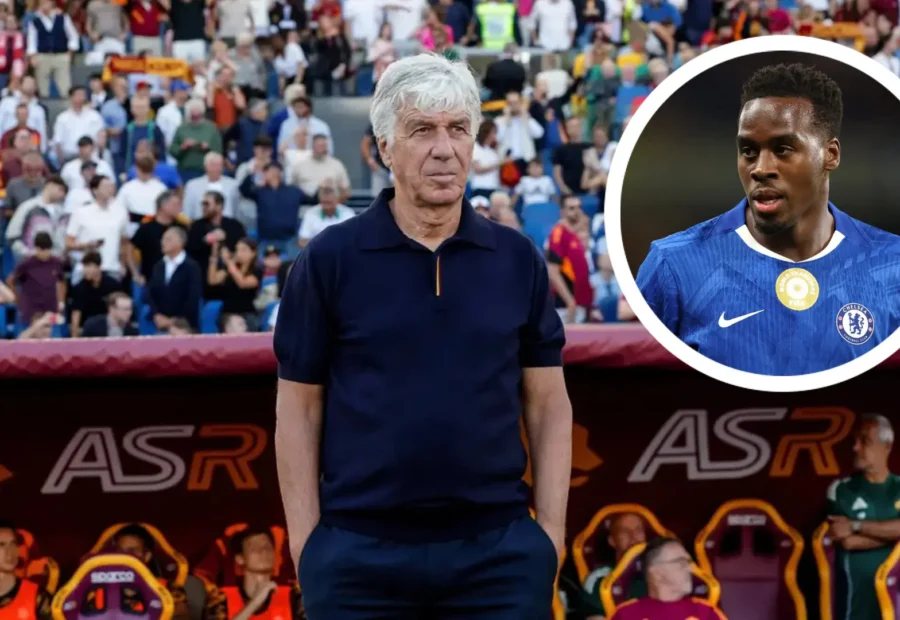
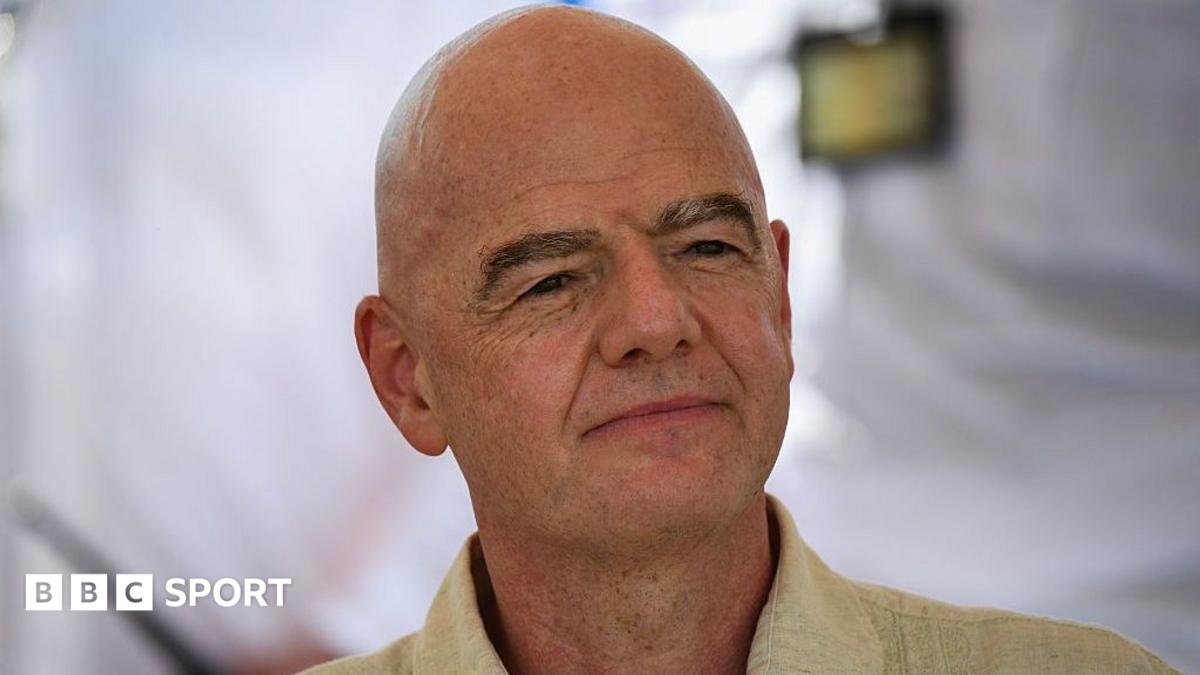
Much may depend on whether US courts side with Uefa over its requests for evidence related to the FFE plan.
Documents seen by BBC Sport show that Uefa is seeking information from three parties: Fifa; Thrive Capital, the venture capital firm earmarked as FFE’s lead investor alongside its founder Josh Kushner; and former Formula 1 chief Greg Maffei, described as “the key commercial adviser” on the proposed deal.
Although the filings state that neither Kushner nor Maffei is expected to be a defendant in any proceedings, Uefa’s lawyers say they are seeking subpoenas against Kushner for “the production of documents and communications and for deposition testimony”.
Kushner, the brother of US President Donald Trump’s son-in-law, has yet to comment. However, some legal experts believe he could successfully challenge and block the subpoena request by arguing that details of the deal must remain confidential to protect his business interests and future investments.
Kushner recently agreed a deal to buy basketball’s Los Angeles Lakers for a record £9.3bn.
Uncertainty over Uefa’s legal case
It is unclear how long the process could take or whether Uefa will secure the evidence it needs to support its claim that the World Cup was deliberately undervalued at about £15bn. It is also uncertain whether Uefa will ultimately follow through on its threat to lodge a criminal complaint in Switzerland.
There is further uncertainty over how confident Uefa would be that criminal charges could be brought. In 2002, echoing the current disunity, several Fifa executive committee members filed a criminal complaint against former president Sepp Blatter with a Zurich court. The public prosecutor took no action, while Blatter denied wrongdoing.
Last year, a long-running attempt by the Swiss Attorney General’s Office to prosecute Blatter and former Uefa president Michel Platini ended with both men being fully cleared of corruption charges.
“What Uefa have to show is that they have an arguable case for criminal proceedings to be brought against Infantino,” says leading sports lawyer Nick de Marco KC.
“If they can show that…then they ought to be given disclosure of a lot of the documents.”
Asked what he thought the chances were of the case eventually going to trial, De Marco said: “We’re a long way off from that – the first stage is this disclosure application.”
“My own view is that the likelihood of success in that, which is very important, is high, but then it’s a question for the Swiss prosecutor, looking at that disclosure, to decide whether there is a case [and] that will take some time…but I think what we will likely see is disclosure of very interesting documents and more light shone onto this plan.”
Uefa calls for reform at Fifa
Perhaps aware of the challenges its legal action could face, Uefa has meanwhile pledged to “secure fundamental reform, restore proper limits on presidential authority and ensure that Fifa is once again governed as an institution – not around one individual”. It has also demanded “a genuinely independent external review of FFE”.
Given the support Infantino retains in South America, Africa and parts of Asia, and the way he has survived everything Uefa has thrown at him in recent weeks, many still expect him to remain in power and seek re-election for a fourth term in the spring.
Uefa has warned that, should he do so, it will “join forces with its partner confederations to ensure that member associations are offered a credible alternative – one committed to integrity, accountability, development and genuine institutional change”.
But how likely is it that a unifying challenger will emerge? And how can football avoid a repeat of such a crisis in the future?
Source: www.bbc.co.uk