

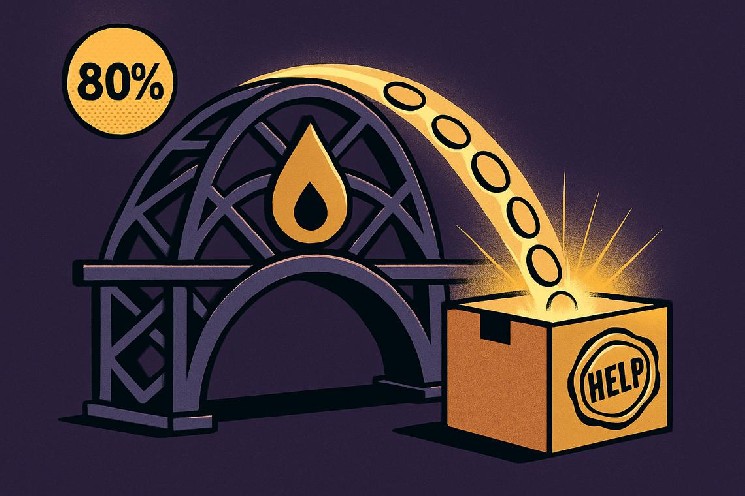
Ripple Highlights User Humanitarian Engagement as 80% Report Donating or Volunteering
Ripple is generating industry discussion this week not through a product launch or regulatory filing, but via a striking claim about its community: 80% of its users actively donate money or volunteer for humanitarian causes. The statistic, shared in a recent company post, has thrust Ripple humanitarian donations into the crypto spotlight, prompting debate over whether user goodwill can translate into stronger market positioning for the payments firm.
Key Takeaways
- Ripple states 80% of its users participate in humanitarian donating or volunteering, per a company post.
- The claim aligns with Ripple’s core pitch: faster, cheaper cross-border payments that aid distribution.
- Analysts are monitoring whether the community response lifts Ripple’s reputation and XRP market sentiment.
- Future crypto donation regulations could shape how Ripple and peers manage philanthropic activity.
- The humanitarian push coincides with Ripple’s expansion via EDX Markets integration and RLUSD stablecoin growth in Turkey.
Community Ethos Drives Ripple’s Humanitarian Narrative
Ripple frames the 80% figure as evidence of a user base motivated by more than price speculation. The data originates from the company’s own reporting rather than an independent survey, yet it has ignited conversation about how deeply Ripple’s community is embedded in social causes.

Reputation in crypto often hinges on community behavior as much as technology. High participation in humanitarian efforts could differentiate Ripple from competitors focused solely on institutional deals. If the trend persists, it may pressure other platforms to spotlight or incentivize similar philanthropic engagement among their users.
Technology Infrastructure for Aid Distribution
Ripple’s humanitarian pitch rests on a practical advantage: moving aid funds faster and cheaper than traditional banking rails allow. The company positions its cross-border payment network as critical for organizations needing to transfer funds rapidly during emergencies.
By explicitly tying its settlement speed and low transaction costs to humanitarian outcomes, Ripple gives its infrastructure a mission-driven narrative. That framing matters for adoption, as nonprofits and institutions evaluating crypto rails often weigh mission alignment alongside technical performance.
Market Sentiment and Regulatory Outlook

For traders, the immediate question is whether goodwill drives demand. Ripple’s values-driven story arrives amid mixed crypto market signals, where narrative shifts can influence sentiment even without fundamental changes.
Observers should track Ripple’s humanitarian initiatives as a potential driver of user engagement and market perception. A positive community response could increase demand for Ripple’s services over time. This narrative runs parallel to concrete business moves, including the EDX Markets integration expanding institutional brokerage access and the RLUSD stablecoin surpassing a $1.7 billion market cap following its Turkey launch.
Separate analysis from The Motley Fool noted XRP’s price briefly dipped below $1 in August 2026 before recovering, with the token’s market cap near $91 billion — a reminder that Ripple’s corporate and philanthropic momentum does not always correlate directly with XRP price action, given the token’s structural independence from the company’s daily operations.
Regulatory Uncertainty Remains a Wild Card
Future rules governing crypto donations could reshape how Ripple and similar firms operate, especially if regulators increase scrutiny of digital asset flows through charitable channels. For now, the humanitarian angle provides Ripple a distinct narrative in a market saturated with technical upgrades and partnership announcements — one built on crypto community philanthropy rather than infrastructure alone.
Frequently Asked Questions
What percentage of Ripple users participate in humanitarian aid?
Ripple reports that 80% of its users are actively donating or volunteering for humanitarian aid.
How does Ripple support humanitarian efforts using technology?
Ripple focuses on enabling faster and cheaper cross-border payments that facilitate humanitarian aid distribution.
What impact could Ripple’s humanitarian initiatives have on the market?
Strong community participation in humanitarian aid could enhance Ripple’s reputation and positively influence market sentiment.
Are there regulatory considerations related to Ripple’s humanitarian aid efforts?
Future regulatory developments around crypto donations may affect Ripple’s operations and how it engages in humanitarian initiatives.






No Comments