

Bitcoin Achieves First Quantum-Resistant Transaction via StarkWare and MARA Foundation
The Bitcoin network advanced its quantum defense capabilities this week as StarkWare and the MARA Foundation announced the execution of the first known quantum-resistant Bitcoin transaction on August 27.
Industry Leaders React to Milestone
Eli Ben-Sasson, CEO of StarkWare, described the development as a pivotal moment for Bitcoin’s post-quantum future.
This is huge! First, because the fact that we can have a quantum-safe tx on Bitcoin is a real accomplishment. Second, it shows that we can actually find and implement solutions to make Bitcoin and other chains, quantum-ready. We just need to decide that this is the path forward.
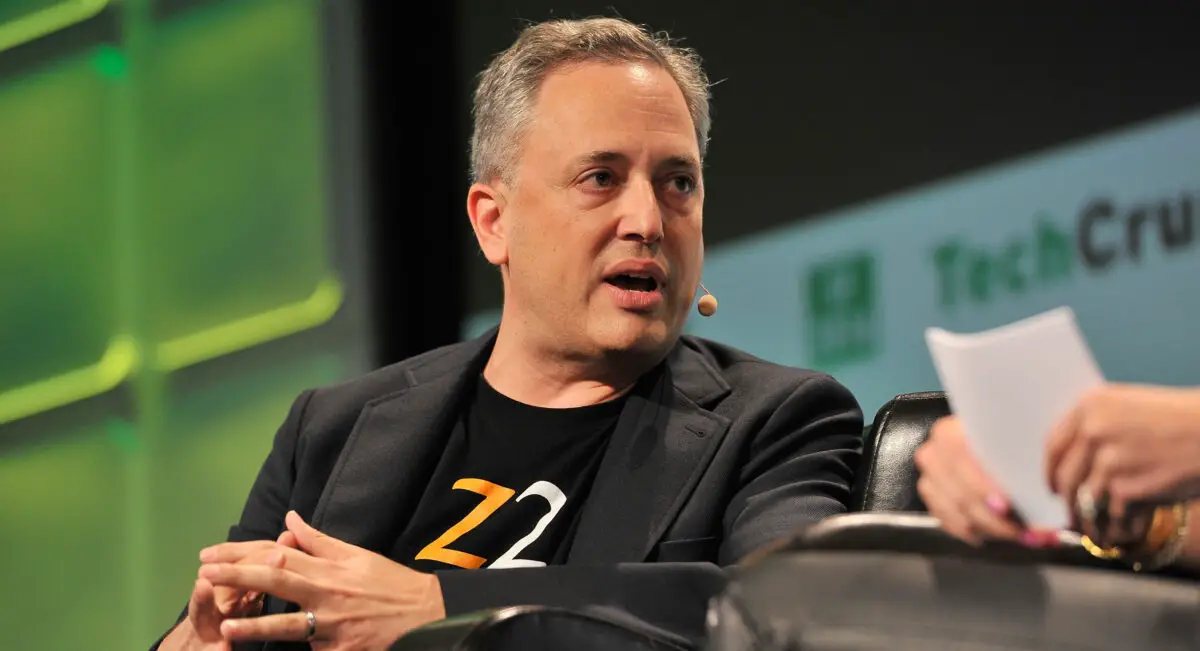
Ben-Sasson further characterized the update as “huge” for the path forward for the post-quantum era for Bitcoin and other chains.
Understanding Bitcoin’s Current Quantum Vulnerability
Currently, Bitcoin held at rest behind modern wallet addresses—including Pay-to-Public-Key-Hash (P2PKH) and Native SegWit (P2WPKH)—remains quantum resistant. These address types display only a hash, which conceals the public key on public blockchains and makes it challenging for quantum computers to crack.
However, a critical vulnerability emerges during spending. The moment a user spends from these addresses, the actual public key is revealed to the blockchain. This exposure makes address reuse susceptible to theft if sufficiently powerful quantum computers become operational.
Quantum-Safe Bitcoin Transactions Without a Soft Fork
In April 2024, StarkWare’s Avihu Levy proposed a scheme called quantum-safe Bitcoin (QSB) transactions designed to enhance security without requiring a soft fork. The objective is to provide quantum-resistant protection during the BTC spending process, buying the network time while it explores a protocol-level consensus change for a network-wide upgrade.
The primary limitation of the QSB scheme is its reliance on private mempools—a waiting area before miners validate or confirm transactions. This inaugural transaction was facilitated through MARA’s private mempool, Slipstream.
MARA Foundation Perspective on Private Mempools
Isabela Foxen, head of the MARA Foundation, offered a measured assessment of the approach.
While we don’t believe private mempools are an appropriate long-term solution for Bitcoin quantum resistance, we’re happy to explore ways Slipstream can support break-glass techniques while we wait for a consensus change.
Blockstream Advances SHRINCS Proposal
Separately, Adam Back’s Blockstream released a Bitcoin Improvement Proposal (BIP) for a post-quantum signature scheme dubbed SHRINCS. The firm characterized it as a “very good trade-off” among current options for the final network-wide upgrade.
Despite Adam Back downplaying the immediacy of quantum threats, Blockstream has been actively working behind the scenes to accelerate advancement. The BIP will require extensive discussion, criticism, and refinement before potential adoption as the definitive post-quantum upgrade.
Prediction market data from Polymarket currently indicates the market is pricing only a 5% chance that such an upgrade could occur this year.
Outlook: Progress Made, Path Uncertain
Bitcoin’s first quantum-safe transaction executed without a soft fork represents a commendable and positive step forward. However, a final and lasting network-wide upgrade pathway remains uncertain as of writing.



No Comments