
‘Flock Camera’ Hate Reaches All-Time High as ‘De-Flock America’ Campaign Spreads Online

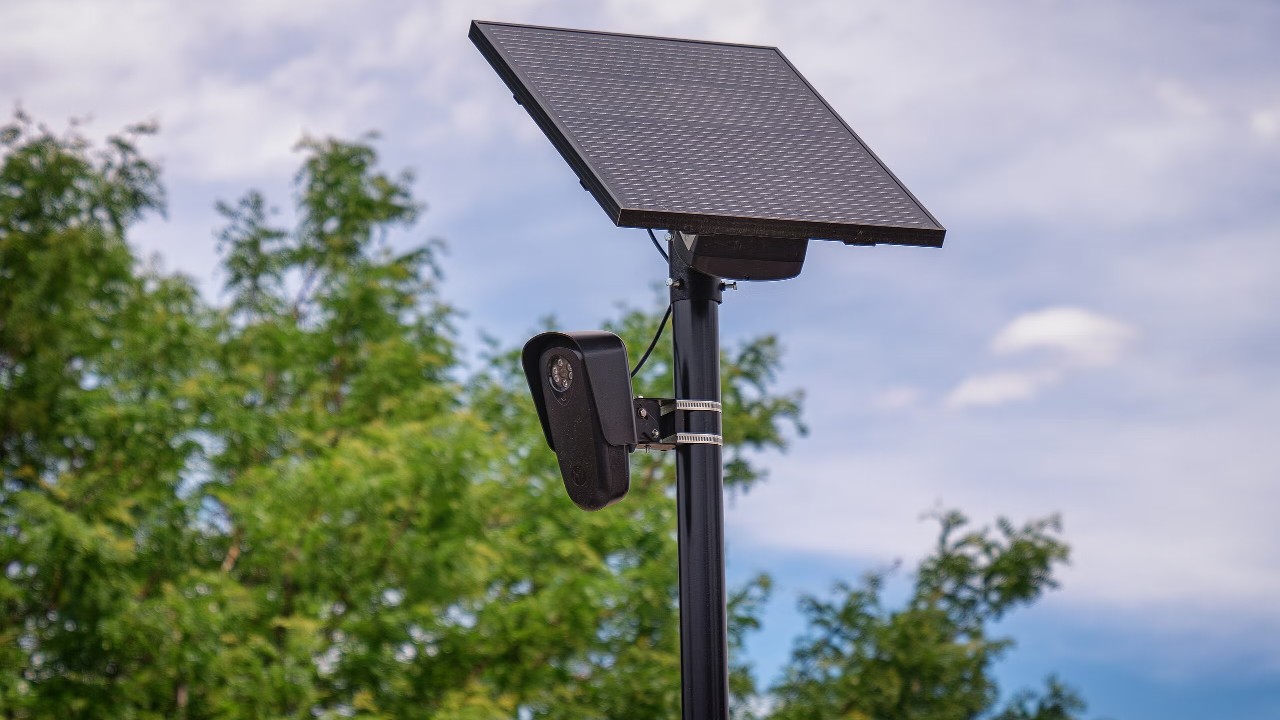
Flock Safety Cameras Spark Nationwide Surveillance Debate and Protest Movement
AI-powered traffic cameras manufactured by Flock Safety have become a flashpoint in the growing national conversation over mass surveillance and Fourth Amendment rights. Known as Flock cameras, these automated license plate readers (ALPRs) capture detailed data on every passing vehicle, including make, model, color, license plate number, direction of travel, and precise timestamps.
How Flock Cameras Work
Unlike traditional traffic cameras focused on speed enforcement or red-light violations, Flock Safety’s stationary and mobile units build a searchable database of vehicle movements. Law enforcement agencies subscribe to the Flock network, gaining access to a centralized platform that aggregates reads from cameras installed across jurisdictions. This allows investigators to query a plate number and retrieve a historical map of where that vehicle has been spotted.
Surveillance Concerns and Legal Framework
Civil liberties advocates and privacy-focused technologists argue the system functions as a dragnet surveillance tool. Because the cameras are often placed on public roads, they capture the movements of innocent drivers en masse, creating a detailed pattern-of-life profile without individualized suspicion. Critics highlight that, in many jurisdictions, police officers do not need a warrant to query the Flock database; a stated investigative reason is often the only requirement.
This low barrier to entry has fueled accusations that the technology circumvents constitutional protections against unreasonable searches. The Electronic Frontier Foundation (EFF) and the American Civil Liberties Union (ACLU) have both warned that the proliferation of ALPR networks like Flock’s effectively creates a warrantless tracking infrastructure.
Escalating Public Backlash and Direct Action
As public awareness of the cameras’ capabilities has grown, so has resistance. Throughout the 2020s, incidents of vandalism and theft targeting Flock units have been reported across multiple states. Activists view the destruction of the devices as a direct response to what they perceive as unchecked government overreach.
The “De-Flock America” Campaign

Online organizing culminated in a coordinated call to action known as the De-Flock America campaign. The initiative urged participants to disable or destroy Flock cameras on Halloween night 2026. The campaign framed the action as a nationwide protest against the normalization of mass vehicle surveillance, encouraging participants to document and share their actions on social media platforms.
Law enforcement agencies have responded by increasing physical security around camera installations and pursuing criminal charges for property damage. Flock Safety maintains that its technology is a force multiplier for solving violent crime, citing recoveries of stolen vehicles and Amber Alert resolutions as primary use cases.
Ongoing Policy Battles
The conflict underscores a widening gap between technological capability and regulatory oversight. Several state legislatures are currently debating bills that would mandate data retention limits, warrant requirements for database queries, and public transparency reports for ALPR programs. Until comprehensive legislation is enacted, the tension between public safety objectives and privacy rights is expected to remain a defining issue in smart-city infrastructure debates.






No Comments