
Walmart Worker on Lunch Break Confronted by Demanding Customer; TikTok Reacts

Walmart Employee’s Lunch Break Interrupted by Demanding Customer Sparks TikTok Debate
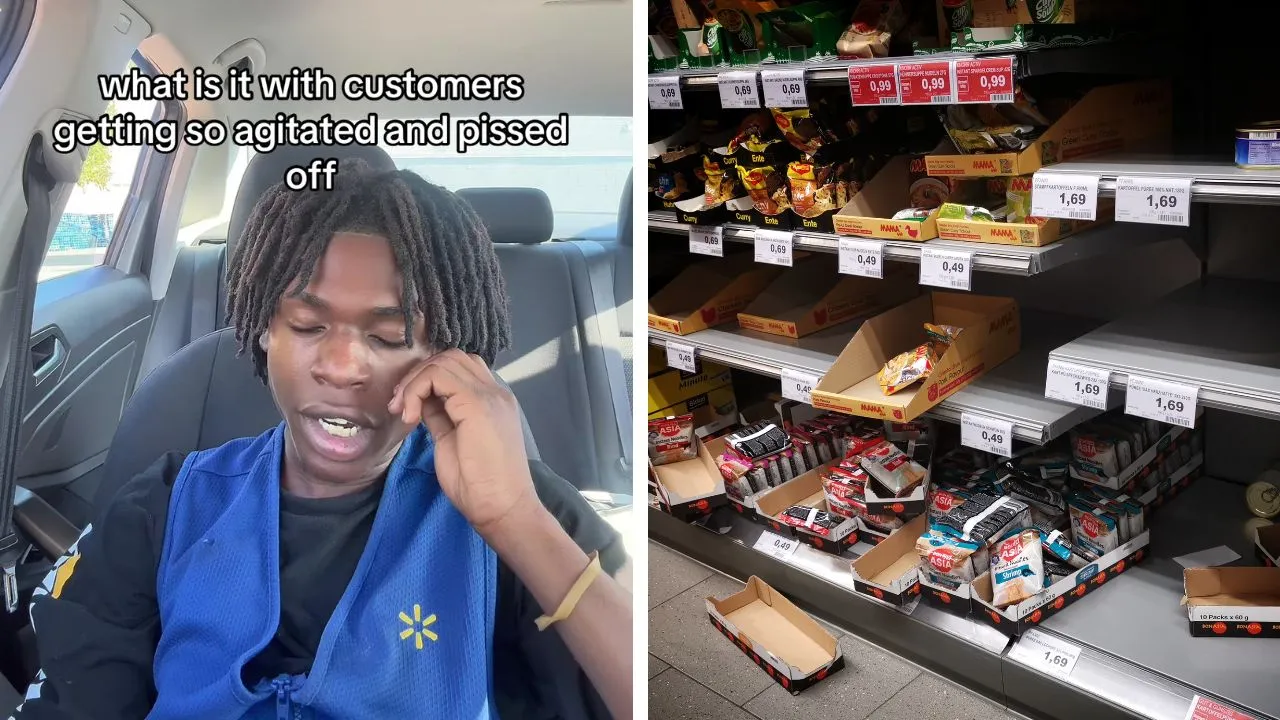
A Walmart employee known as @skylouieeeee on TikTok recently shared a story that has resonated with retail workers and customers alike. Four days ago, the creator posted a video from his car while wearing his Walmart vest, describing an encounter that occurred when he attempted to take his lunch break. As of publication, the video had garnered approximately 39,000 likes.
Off-Duty Worker Pressured to Assist Customer
According to the TikToker, he had removed his vest before heading to lunch specifically to avoid being approached by customers while off the clock. Despite this precaution, a customer in the bicycle section stopped him and asked for help unlocking a bike. The employee explained that he was on his lunch break and did not have the necessary keys, but offered to fetch another worker who could assist.
The customer, however, insisted he had already been waiting and pressed the employee to help regardless, even if it took about 20 minutes. The Walmart worker reiterated that he was off duty and would find a colleague. Fortunately, another employee soon arrived with keys and unlocked the bicycle.
Interaction Escalates Beyond Initial Request
The encounter did not end there. After the bike was unlocked, the customer asked the TikToker for assistance with additional items. Once again, the employee stated he was on his lunch break and could not continue helping.
The creator captioned the video: “I don’t why he still needed me when someone was RIGHT THERE HELPING HIM #fyp #walmart #storytime #retail #retailworker”
TikTok Community Overwhelmingly Supports Employee

Commenters on the video, including both retail workers and customers, largely agreed that the employee had gone above and beyond by locating another staff member to help. “You are already giving that man too many words if you’re off the clock,” one commenter noted, adding that workers should simply state they are off the clock and continue walking.
Several users shared similar experiences. One reported being approached by customers despite not wearing a uniform, while another said customers still asked for help even when they were visibly leaving work. Multiple commenters emphasized that a lunch break often constitutes a significant portion of a worker’s limited personal time during a shift.
Break Time vs. Customer Expectations
One commenter highlighted that spending 20 minutes assisting a customer could consume most of a standard 30-minute meal break. Another offered perspective on the customer’s viewpoint, suggesting that shoppers may simply be reacting to inconvenience and that employees inevitably encounter people needing help while on break. However, the consensus remained clear: an employee who has clocked out is entitled to use that time as they intend.






No Comments